AML Sanctions screening software
Screen every name, business and transaction in under a second. Evidence every decision.
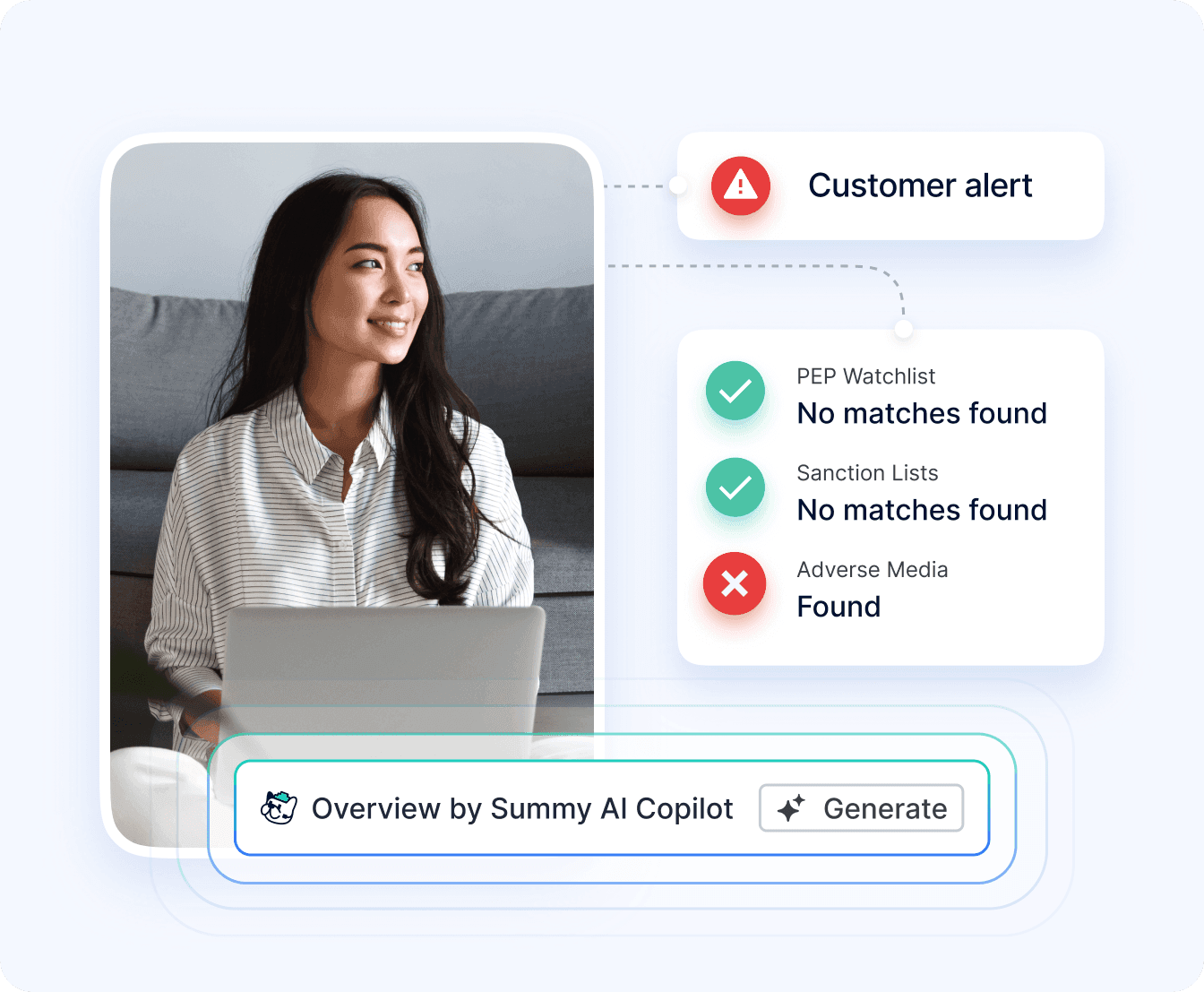
A name match against a watchlist is
a data point. Summy AI Copilot helps
you turn it into a decision.
Most screening tools leave you guessing, is it the same person, why do they matter, what does it mean for the
transaction in front of you. Summy AI pulls the identity and transaction context behind every match into one
view, with a clear, audit-ready explanation, so it arrives as a decision, not a puzzle.
Stop chasing false PEP, sanctions and adverse media hits manually
AI-powered compliance
for all your needs
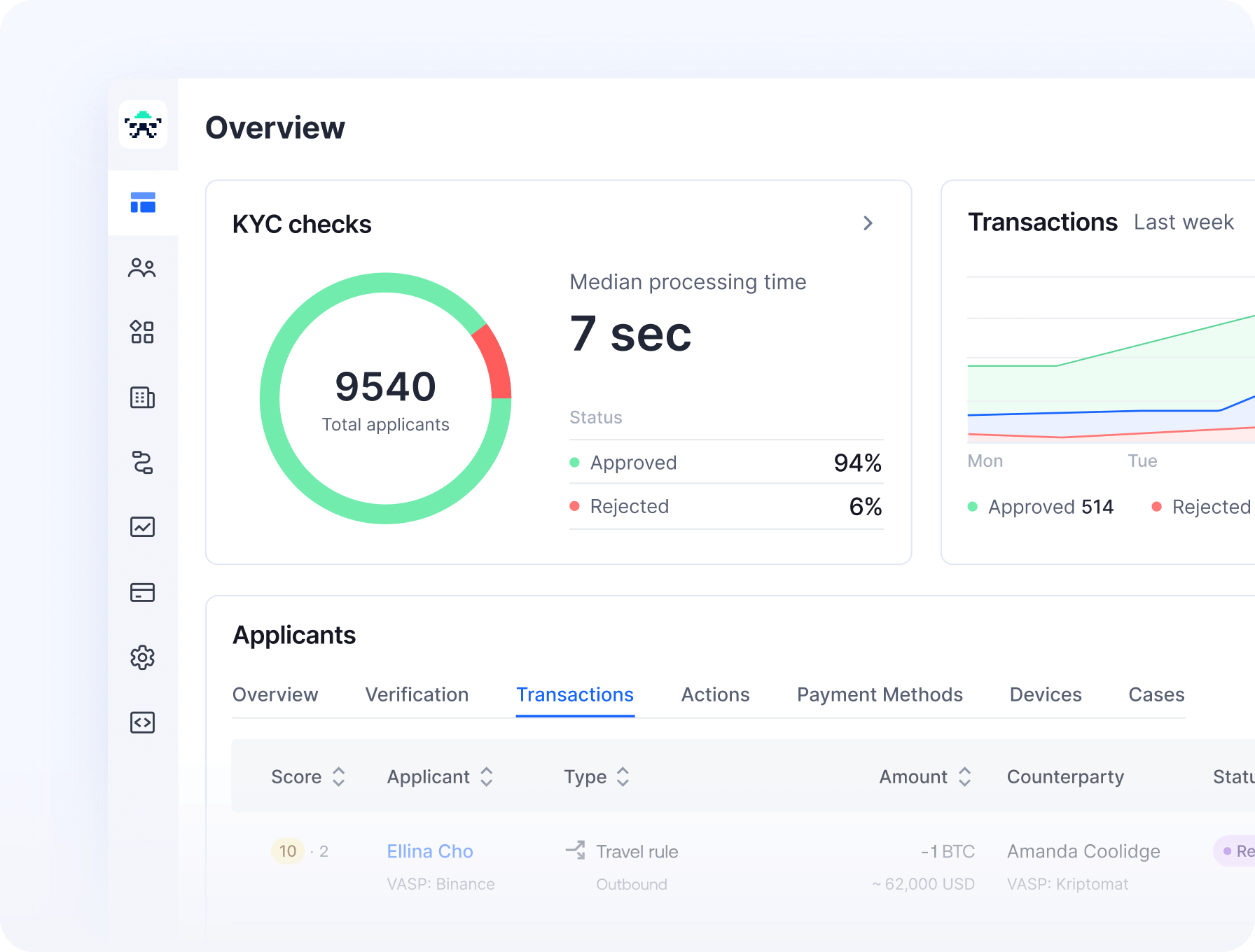
Screen new customers before KYC
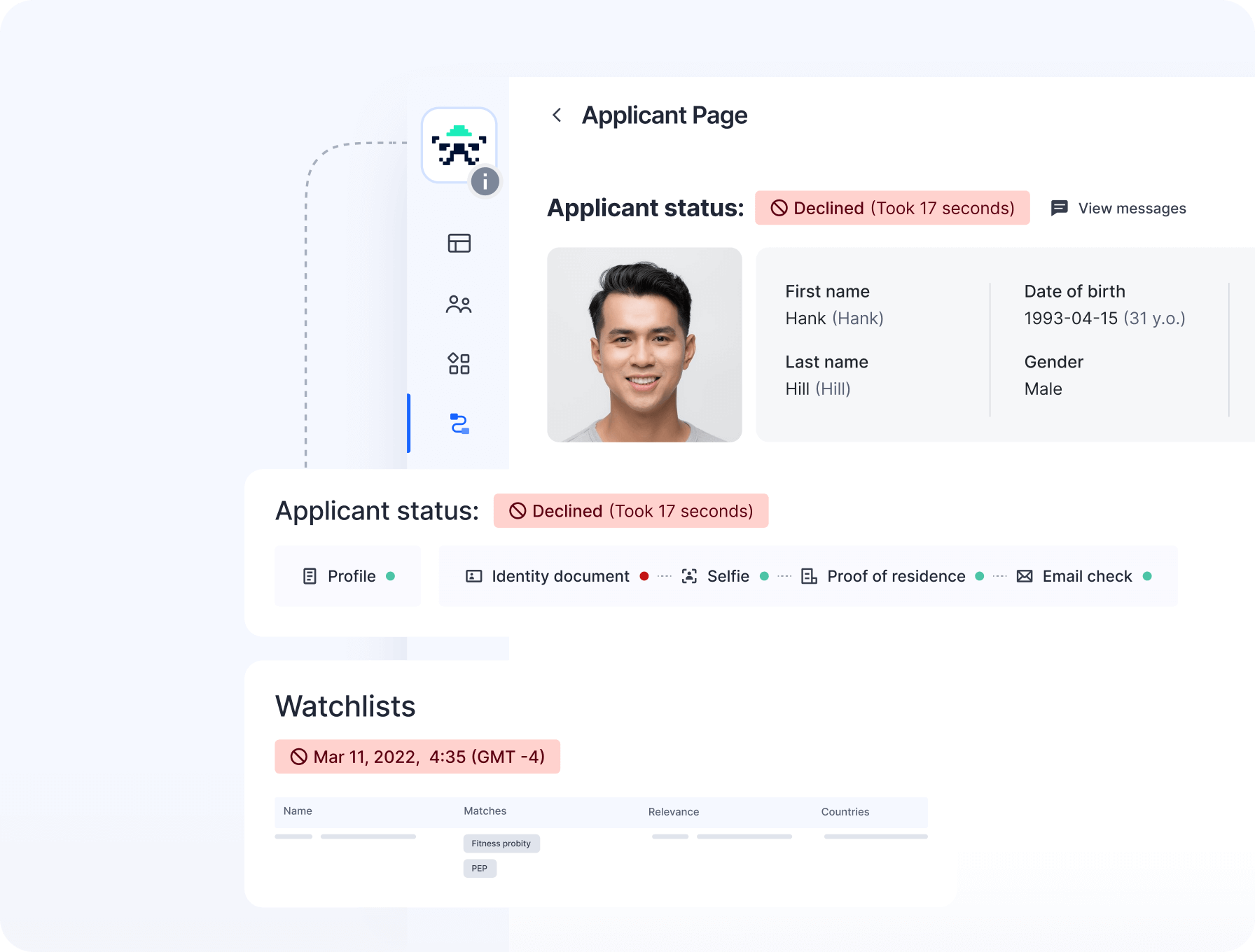
Manage your full AML needs in one platform
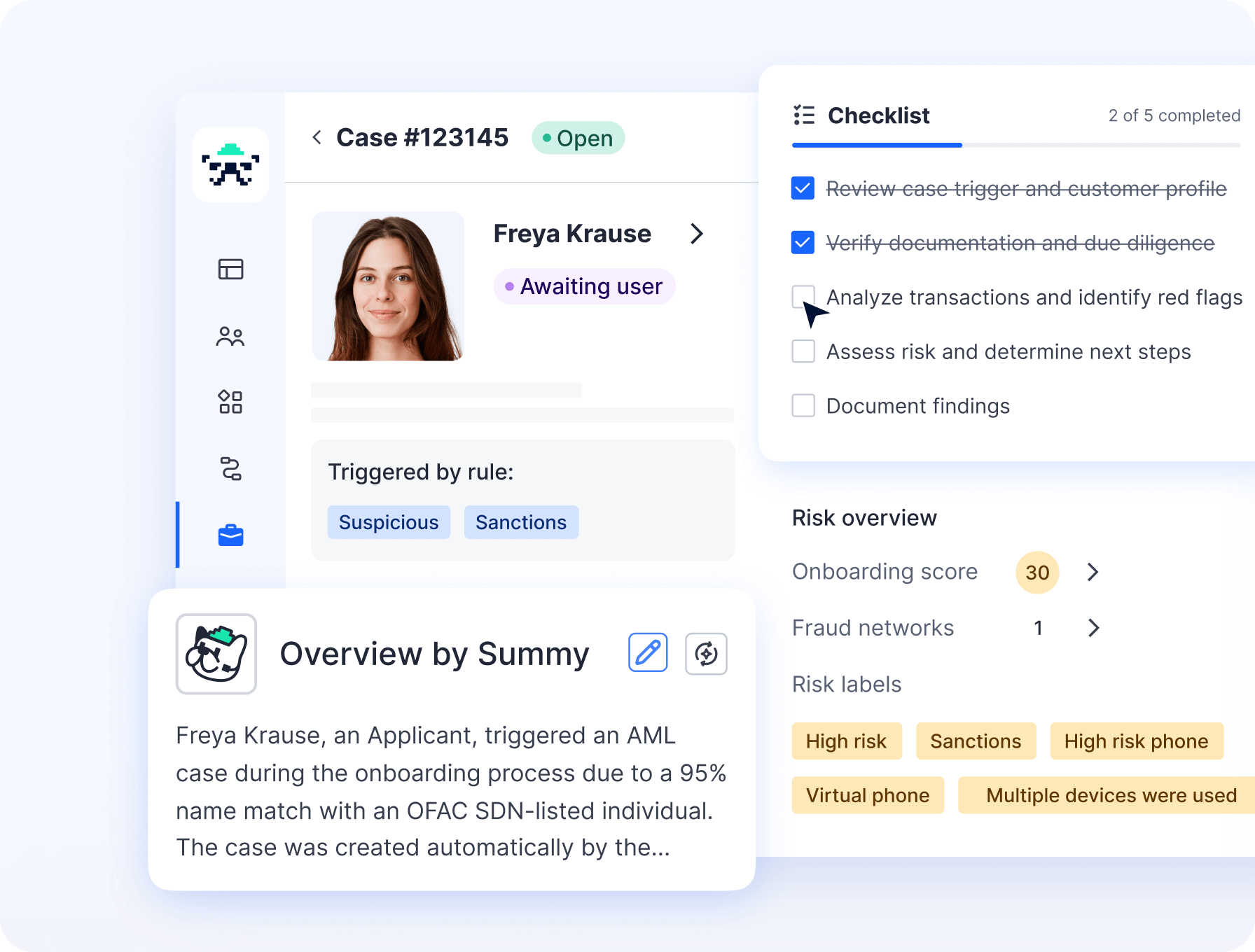
Automate with AI, validate with human expertise
Real-time AML monitoring
of all required sources
Sumsub leverages over 50,000 independent sources across 240+ countries and territories, screening them simultaneously for each compliance case and translating when needed.
AML for every stage of the journey
with our free online course
Here’s what to expect:

Raenest cut manual work while scaling
compliance. Here's how.
- “Partnering with Sumsub has been a transformative step for Anakatech. In a highly regulated industry like iGaming, the challenge is always balancing stringent compliance with a seamless user experience. Sumsub’s automated workflows and advanced AML Screening have allowed us to significantly reduce manual workload while improving our approval rates.”
 Jeff LetlatCOO at Anakatech Group
- “Sumsub’s solution solves our challenges by automating verification, reducing manual work, and speeding up onboarding. What stands out most is its accuracy, global coverage, and built-in AML Screening, which help us scale efficiently while maintaining compliance and a smooth user experience.”
 OluwaToyin FakoredeHead of Compliance at Raenest
- “By bringing together KYC, KYB, AML Screening, and Transaction Monitoring in one platform, we were able to move from fragmented onboarding to a unified, scalable compliance setup. That helped us cut onboarding time for both end users and businesses, reduce manual workload, and give our teams better visibility into risk, without adding operational complexity.”
 Georgios ArvanitidisSenior Product Manager, Onboarding at BVNK
Resources

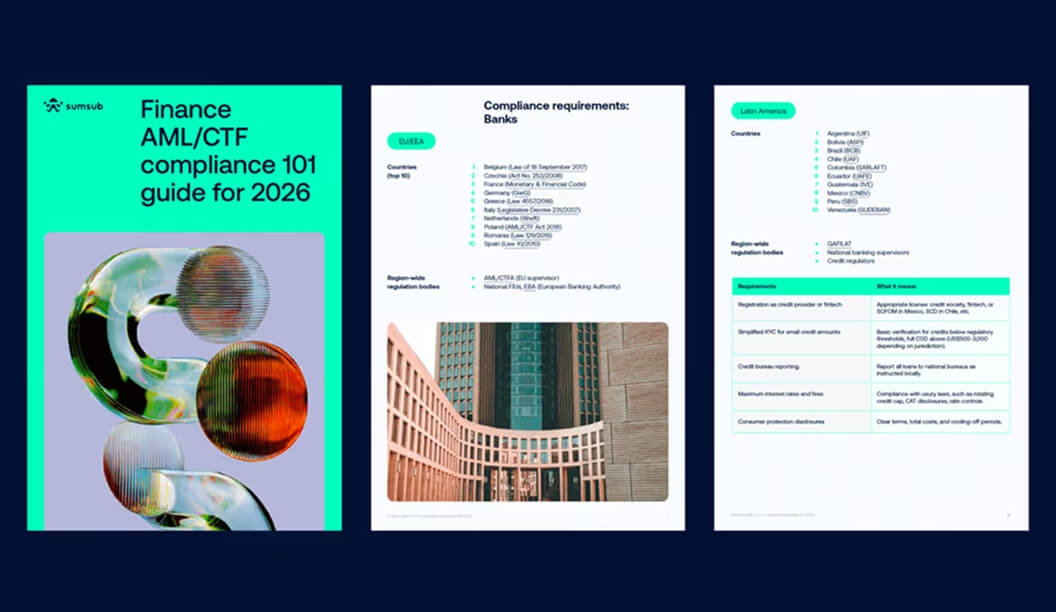
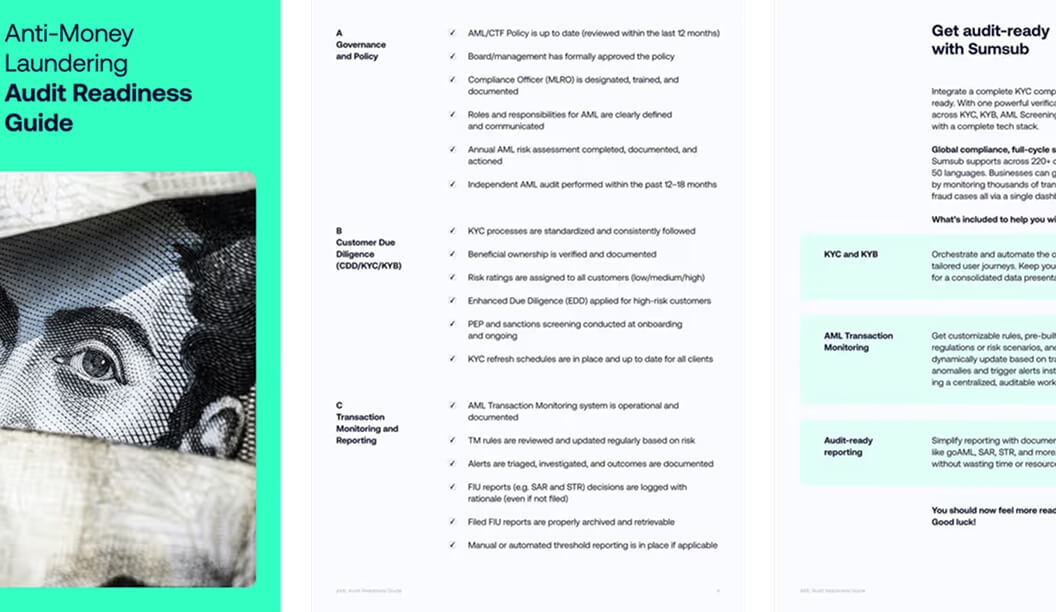
Let the numbers
do the talking
Platforms and operators that work with Sumsub save costs and get 240% ROI on average, according to the “Total Economic Impact™ Of Sumsub’s Verification Platform" study by Forrester Consulting.
FAQ
What is AML screening?
AML (anti-money laundering) screening is the process of checking customers, entities, and their associated data against sanctions lists, PEP lists, adverse media, and other watchlists to identify money laundering, terrorist financing, and reputational risks. Many companies are mandated by AML regulations to screen clients and third-party relationships as part of CDD and KYB requirements. AML screening software automates this process, running checks against dozens of sources at once instead of manually, though final decisions and oversight remain with your compliance team.
What is sanctions screening software?
Sanctions screening software checks individuals and entities against sanctions and terrorist watchlists to prevent parties linked to money laundering, terrorist financing, or other illegal activity from becoming customers. It automates the process, flags matches for review, and keeps businesses updated as sanctions lists change, reducing the manual burden of checking lists by hand.
What is AML watchlist screening?
Watchlist screening is broader than sanctions screening. Alongside sanctions lists, it checks individuals and entities against wanted-persons and criminal-suspect lists, denied-party and debarment lists, and regulatory enforcement lists, sources that flag risk even when no sanctions violation is involved. This wider net helps identify high-risk customers who wouldn't surface through a sanctions-only check.
What is a PEP check?
A PEP check involves screening individuals who hold prominent public positions to identify politically exposed persons (PEPs). While not universally mandatory, regulatory bodies often require PEP screening to mitigate the risks of corruption, bribery, and money laundering. Requirements may vary by jurisdiction and industry, and companies typically use automated PEP screening software to comply.
How are false positives resolved in AML screening?
Most matches aren't true positives, they're near-matches on name, date of birth, or partial data. AI-assisted review triages these first, with reasoning notes attached to each match, so your team spends its time on the matches that actually need a human decision, not clearing the full queue by hand.