Qualified Electronic Signature Provider
Qualified Electronic Signature: Secure, fast, EU-сompliant
in full compliance
user experience
for digital signing
Onboard users and sign documents fast

Why choose Sumsub’s QES Verification
BaFin-tailored
solution for Germany
Effortlessly ensure full compliance with the German Money Laundering requirements (GwG). Combining Sumsub's Qualified Electronic Signing with Penny Drop Verification optimizes due diligence processes for regulated businesses. This robust combination enables smooth customer onboarding and reduces processing time, all while minimizing operational costs.
Choosing Your Ideal Solution?
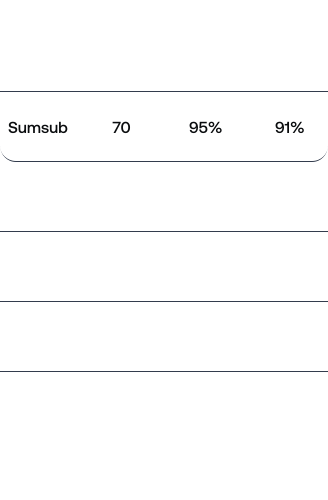
Let the numbers do the talking: See how we exceed our competitors in key areas, as validated by user reviews on G2.

FAQ
What is an EU Qualified Electronic Signature (QES)?
A Qualified Electronic Signature (QES) is an advanced electronic signature that is legally recognized and has the same legal effect as a handwritten signature across the EU. You can find out more about QES here: https://sumsub.com/blog/electronic-signatures-qes/.
What is the difference between advanced and qualified electronic signatures?
The main difference between an Advanced Electronic Signature (AES) and a Qualified Electronic Signature (QES) is their legal status and security level. A QES, created with a qualified device, has the same legal standing as a handwritten signature, while AES offers a slightly lower level of operational security and legal recognition within certain European countries.
How does the QES onboarding process work?
The process involves ID Verification, Liveness, and QES signing, where an OTP is used to confirm the user's real-time presence. To complete the process, users must review the document, accept its content with a checkmark, and enter the OTP.
Is the QES legally recognized?
Yes. Sumsub’s QES is fully compliant with the eIDAS Regulation and is legally recognized in all 27 EU member states, plus Iceland, Liechtenstein, and Norway. It carries the same legal effect as a handwritten signature and is accepted for cross-border onboarding and high-risk document signing.
To learn more about how eIDAS and eIDAS 2.0 are evolving and what this means for businesses, see our article on key takeaways from the eIDAS 2025 Summit.How can I choose a qualified electronic signature provider?
When choosing a qualified electronic signature provider, ensure they comply with eIDAS regulations and use secure, certified technology. Look for a user-friendly platform that integrates well with your existing systems.