Prevenção a fraudes de crédito e BNPL para equipes de risco modernas
Fraude BNPL e de crédito
Aprove mutuários com rapidez, dissuada toda a criminalidade financeira
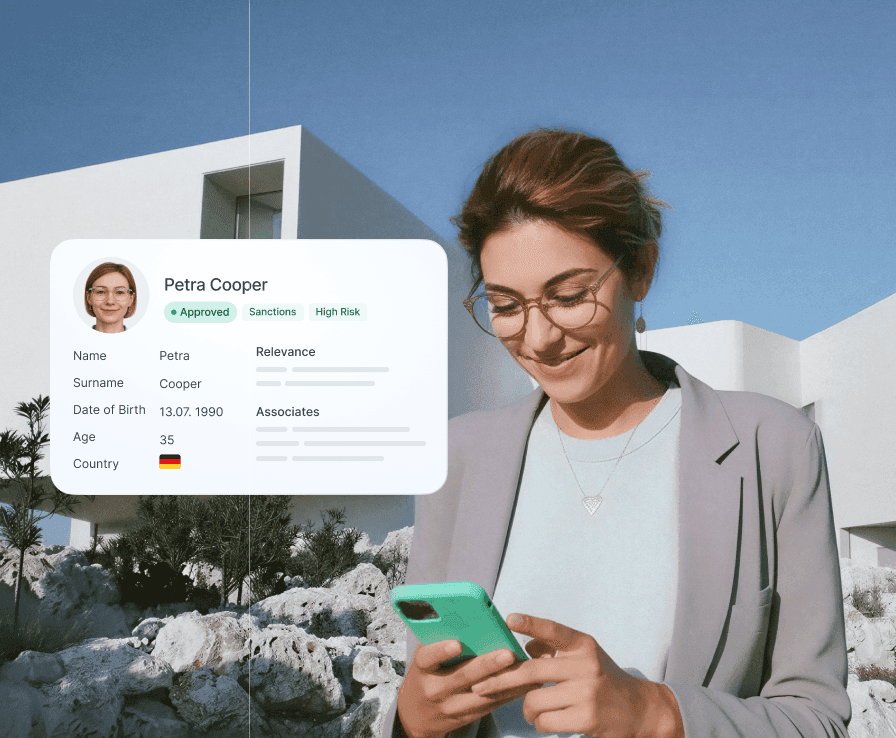
Prevenção de criminalidade financeira BNPL em cada ponto de decisão de crédito
A criminalidade financeira não acontece apenas no cadastro. Ela aparece no checkout, no desembolso, no segundo empréstimo, durante o reembolso e na fila de reembolsos. A Sumsub coloca verificações em cada um desses pontos para detectar comportamentos de risco onde quer que apareçam — mantendo suas decisões sempre prontas para auditoria.
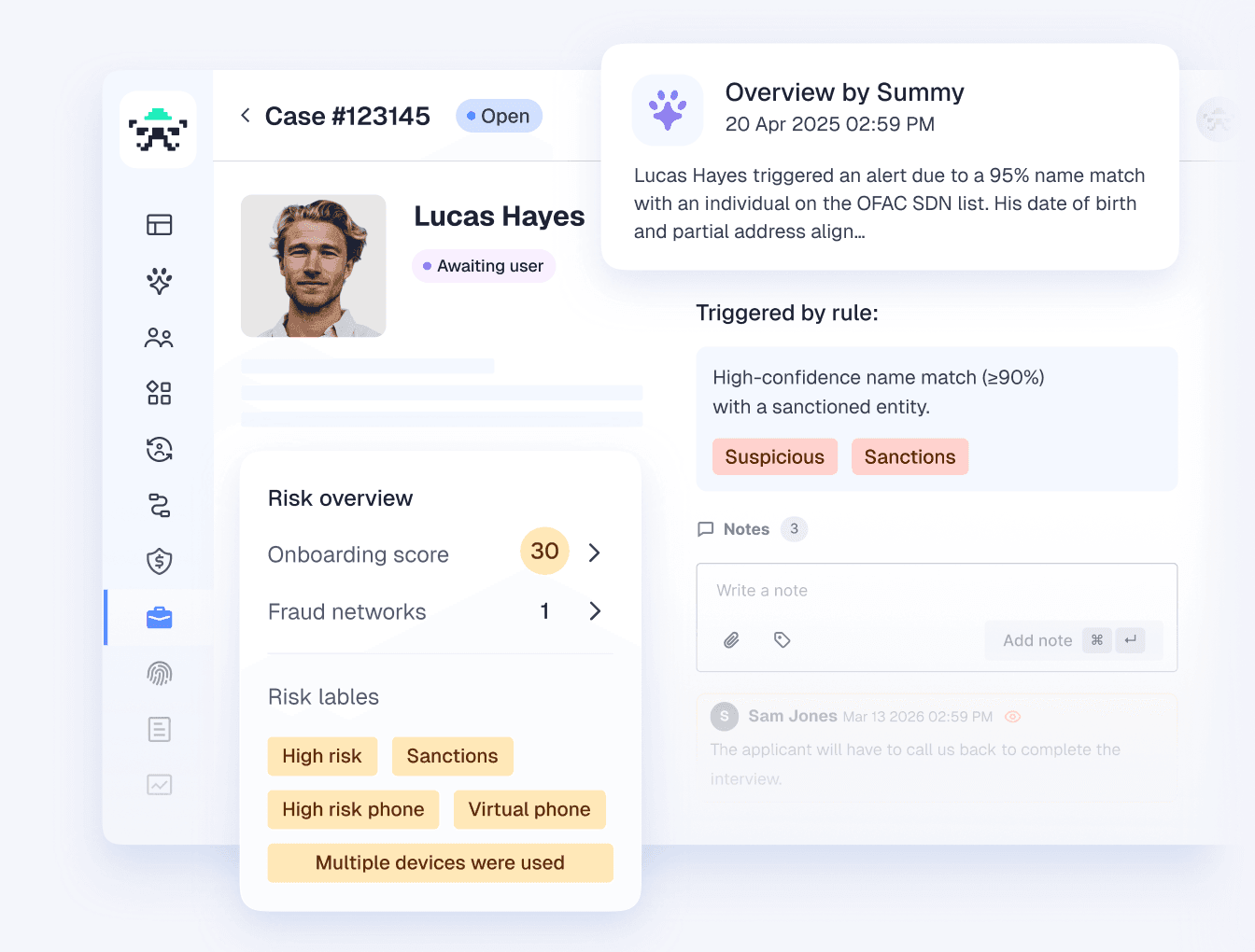
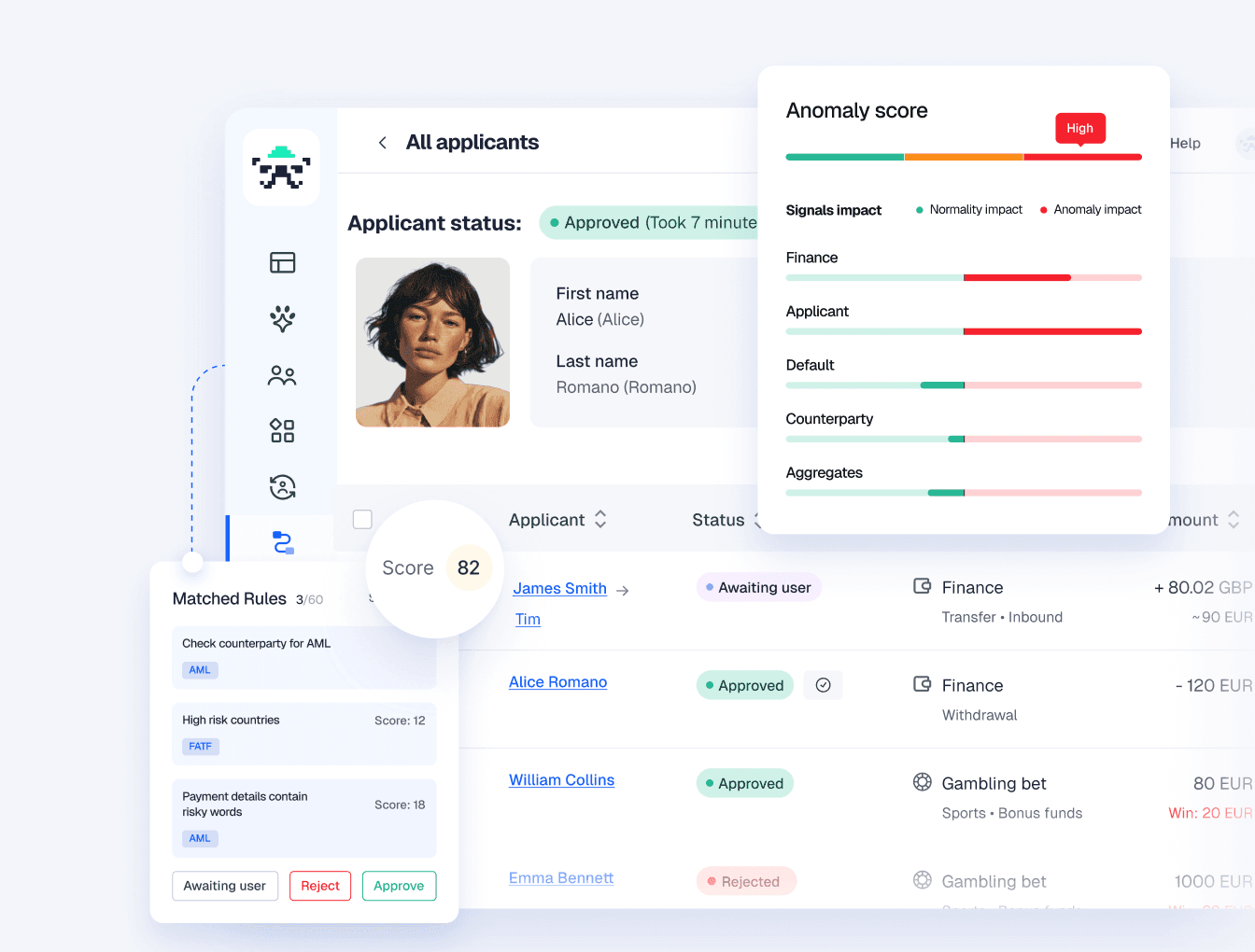
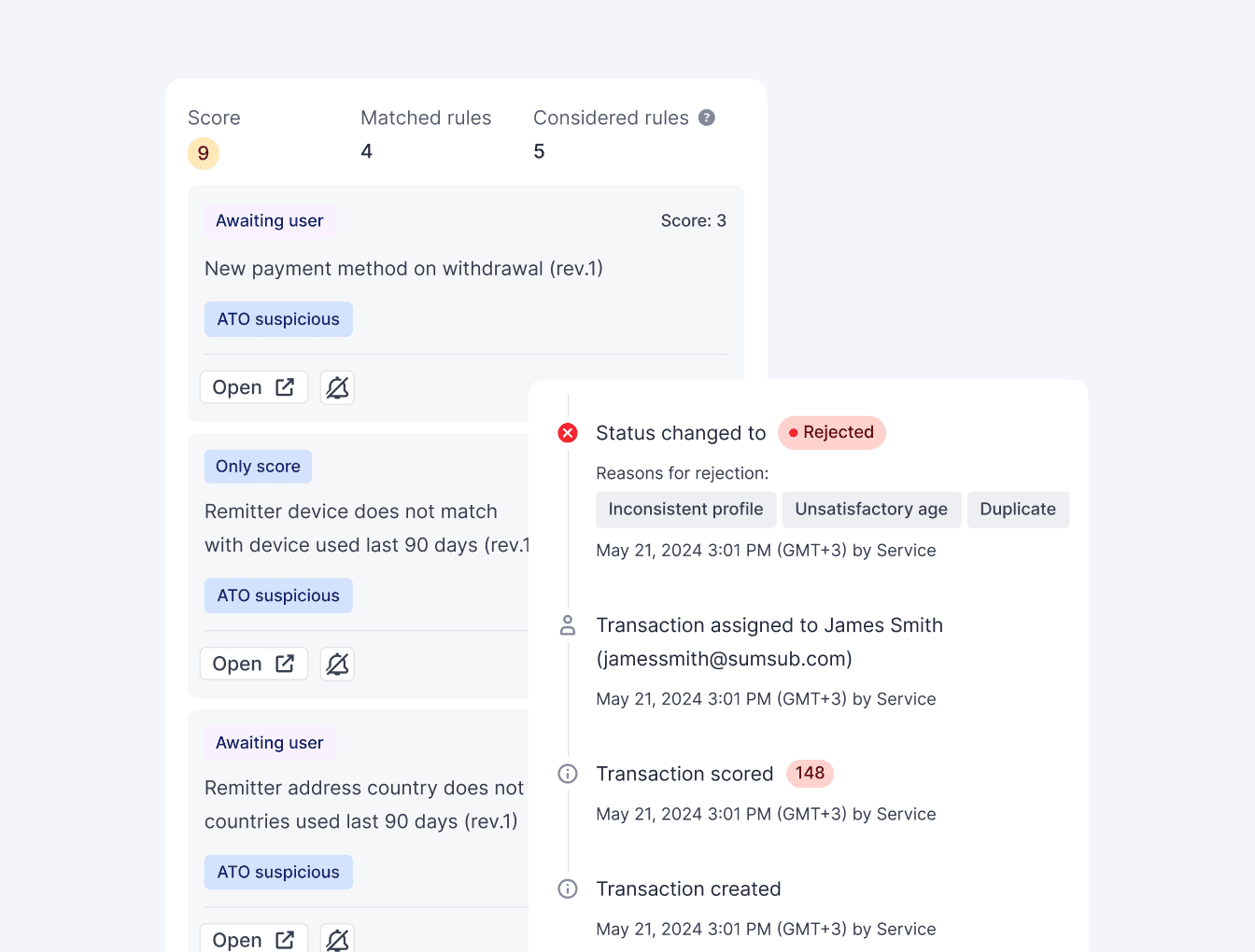
Expanda crédito e BNPL sem aumentar perdas por criminalidade financeira
Obtenha velocidade de onboarding, prevenção a fraudes e AML em uma única plataforma.
Dê a cada equipe uma visão unificada de risco
Não acredite apenas na nossa palavra.
Veja o que nossos clientes dizem
- The Fraud Network Detection feature has significantly helped us identify groups of fraudulent users in emerging markets. By analyzing shared IP locations, devices, and fingerprints, we have been able to detect and prevent multiple fraudulent accounts operated by the same network.
 Michael DareFraud Investigator at iFAST Global Bank
 - Sumsub has made managing risks easier and helped us provide a better customer experience.
 Paul ChapmanGlobal Head of Financial Crime Operations at Wirex
 - With Sumsub, we’ve managed to reduce user fraud to practically zero. Since we began using Sumsub, fraud is just one less thing we’ve had to worry about.
 Amram AdarCo-Founder and CEO at Oobit
- Identity Verification
- Address Verification
- Fraud Detection
- Anti-Money Laundering
Precisa da solução ideal?
Escolha a melhor opção do G2
Otimize sua estratégia de detecção e resposta a fraudes, onde a redução de custos é conseguida sem esforço. Evite despesas de desenvolvimento interno com configuração fácil e regras antifraude pré-definidas.
73
Pontuação do promotor líquido
92%
Facilidade de uso
90%
Facilidade de configuração
* De acordo com o relatório de primavera de 2025 do G2 sobre verificação de identidade
FAQ
O que é fraude BNPL?
Fraude BNPL é qualquer tentativa de obter bens, crédito ou reembolsos por meio de um produto buy now pay later sem intenção de pagar, ou usando a identidade ou dados de pagamento de outra pessoa. Tipos comuns de fraude em BNPL incluem fraude de identidade sintética, takeover de conta, uso de cartões roubados, multi-contas para contornar limites, abuso de reembolso e fraude de first party, em que o cliente real afirma nunca ter feito a compra.
O que é loan stacking?
Loan stacking ocorre quando um mutuário contrai vários empréstimos de credores diferentes em um curto período, muitas vezes antes de qualquer um atualizar os registros das agências de crédito. Cada credor vê um histórico limpo e aprova. O mutuário sai com mais crédito do que qualquer credor individual permitiria, e o risco de inadimplência aumenta drasticamente. É um problema conhecido no crédito digital, onde a velocidade de aprovação é o principal argumento de venda.
Por que os provedores BNPL precisam de verificação de identidade?
As aprovações BNPL acontecem em segundos no checkout, o que atrai compradores legítimos e também fraudadores. A verificação de identidade no cadastro e no checkout reduz fraude de identidade sintética, takeover de conta e multi-contas, que de outro modo virariam inadimplência ou chargebacks. Ela também alimenta a decisão de capacidade de pagamento, a triagem AML e a trilha de auditoria que os reguladores esperarão quando o BNPL passar a supervisão formal.
Quais requisitos de compliance se aplicam aos provedores BNPL?
Varia por mercado, mas o denominador comum é triagem AML (sanções, PEP, listas de vigilância, mídia adversa) no onboarding mais monitoramento contínuo, e uma trilha de auditoria clara de verificações de identidade e decisões. As regras de crédito ao consumidor são a maior variável: a UE aplica a Diretiva revisada sobre Crédito ao Consumidor (CCD2), os EUA combinam licenciamento estadual e supervisão da CFPB, a Austrália exige licença de crédito e o Reino Unido avança para supervisão plena da FCA em 2026. Em todos os mercados, a tendência é tratar o BNPL como os demais créditos ao consumidor.
Como a regulamentação BNPL está mudando no Reino Unido?
A FCA começará a regular Deferred Payment Credit (o termo técnico da maioria dos produtos BNPL) em 15 de julho de 2026, e credores precisarão de autorização da FCA para oferecer BNPL a partir dessa data. As regras exigem verificações proporcionais de capacidade de pagamento, informações claras antecipadamente sobre condições de reembolso, apoio a clientes em dificuldade financeira e acesso ao Financial Ombudsman Service se algo der errado. Empresas sem permissões de crédito ao consumidor existentes podem usar o Temporary Permissions Regime, com registro aberto em 15 de maio de 2026 e encerramento duas semanas antes do Regulation Day, dando tempo para obter autorização completa enquanto continuam a operar.