- Jun 11, 2026
- 12 min read
Pump-and-Dump vs. Rug Pull: Biggest Crypto Exit Scams
Pump-and-dump schemes and rug pulls can leave investors with significant losses. Here's how they work, how they differ, and the red flags to watch for.

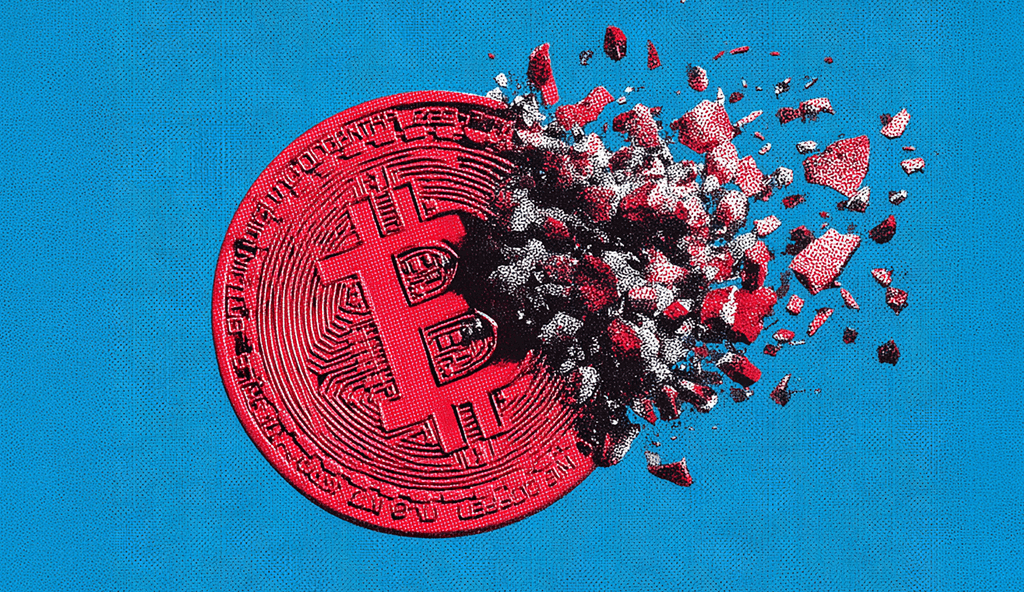
The extraordinary explosion in the value of crypto assets since the early 2010s has made it easy to FOMO into the next big development in crypto and has made it even easier to build up hype. But scammers exploit this hype in two very common ways that pose a significant risk to investors: pump-and-dump schemes and rug pulls.
The scale of these issues is vast. A 2025 Chainalysis report found that 74,037 tokens launched in 2024 were suspected of being linked to pump-and-dump schemes, equal to 3.59% of all tokens launched that year. More broadly, in 2025, the FBI's Internet Crime Complaint Center reported crypto-related losses topped $11 billion across all fraud types, including $7.2 billion tied to investment fraud.
While both can be thought of as exit scams in a loose sense because the scammer’s profit depends on getting out while ordinary users are left behind, the anatomy of a pump-and-dump and a rug pull is different. Here’s how they work and how to stay safe.
Pump-and-dump vs. rug pulls
A pump-and-dump scheme and a rug pull crypto scam do share some basic similarities. In both cases, a token may attract significant attention, rise in price, and then collapse. In crypto, a token is a digital asset created by a project that investors can buy, sell, or trade.
In simple terms, a pump-and-dump uses hype to get you to buy at the wrong time. A rug pull exploits investor trust by attracting funds to a project that insiders ultimately abandon or manipulate for their own gain.
Pump-and-dump scheme defined
A pump-and-dump scheme is a form of market manipulation where scammers use hype to inflate the price of an asset they own, then sell while the price is artificially high.
Scammers begin by buying a large number of low-value tokens. Then they begin to “pump” value through hype via social media posts, Telegram or Discord groups, influencer promotions, and exaggerated claims that the token is about to rise significantly in value.
As more people buy the token, the price rises, which can make the hype seem true. New buyers see the chart moving upward and assume they are still early. But this rise is driven by manipulation rather than genuine demand.
The “dump” happens when insiders sell their tokens in bulk into that new demand. Once they cash out, the price falls sharply, and late buyers are left holding tokens that may be worth far less than they paid.
❗In March 2026, the US Department of Justice charged ten people over an alleged international crypto market manipulation operation. Prosecutors said the defendants helped drive up the price of cryptocurrency tokens while planning to sell their own holdings once prices were higher. The FBI had even created its own token projects to uncover alleged manipulation as part of an undercover investigation.
Crypto rug pull defined
In a crypto rug pull, the insiders behind a crypto project create conditions to attract money and users, then remove the value that made the project work, leaving investors with potentially heavy losses.
A crypto rug pull can happen in several ways. Developers may remove liquidity from a decentralized exchange, making it difficult or impossible for users to sell. They may create a “honeypot” token that lets people buy but blocks them from selling. Or they may collect deposits for a DeFi platform, NFT project, or crypto game, then shut everything down and disappear.
❗In 2024, Dutch authorities arrested a suspect in connection with an alleged blockchain casino and gambling platform. Investors had put more than $30 million in crypto into the platform after being told they would get their money back within 30 days. According to the Dutch Fiscal Information and Investigation Service, the smart contract appeared to have been designed in a way that suggested repayment was never intended.
Suggested read: Top 10 Crypto Scams in 2026 (And How to Avoid Them)
Types of rug pulls explained
There are many types of rug pulls, but they all follow the same basic pattern: people are encouraged to trust a project, and then insiders remove the value that made it attractive.
Among the most widespread versions is a liquidity pull, in which developers remove the funds that enable people to buy and sell a token.
Hard rug pull and liquidity drains
A hard rug pull is the most aggressive form of rug pull. It usually involves a project being designed with an exit mechanism from the beginning. The developers may hide malicious code, create unfair token permissions, or keep control over funds that users assume are safe.
One common version involves a liquidity pool. On a decentralized exchange, a liquidity pool is what allows users to trade one token for another. If a new meme coin is paired with ETH or another valuable crypto asset, buyers need that pool to remain funded so they can sell later.
In a liquidity drain, the project creators remove the valuable asset from the pool. The token may still appear in users’ wallets, but there may be little or no liquidity left to trade it back into something valuable. Value collapses, buyers cannot exit at a fair price, and the insiders walk away with the real assets.
Soft rug pull and slow exits
A soft rug pull is harder to spot because the founders, insiders, or early holders gradually extract value while keeping the community hopeful for as long as possible.
A meme coin rug pull may follow this pattern. The team launches a funny token, builds a fast-moving community, promises listings or future utility, and then gradually exits.
Smart contract backdoor exploits
Some rug pulls are built into the code. A smart contract may look like a normal token or DeFi protocol but contain hidden functions that give insiders dangerous powers like the ability to mint unlimited new tokens, block selling, or move funds from the contract.
This is why a smart contract audit is important. A credible audit can help identify risky permissions, coding flaws, or malicious functions.
A rug pull can also be disguised as a DeFi exploit. In a genuine exploit, an outside attacker abuses a vulnerability. In an insider rug pull, the dangerous function may have been left there intentionally or used by someone with privileged access. From the victim’s perspective, however, the outcome looks the same, and they may never learn the truth.
Shared traits of both crypto scams: Manipulative tactics and false signals
Both scams rely on false signals. In a pump-and-dump, this takes the form of market manipulation in which scammers make demand appear stronger than it really is. In a rug pull, the project may create the illusion of a real community, a serious roadmap, strong liquidity, or real backing, leading to price manipulation.
A token may rise sharply in value in a short time, making it appear as if something important is happening. New buyers see the upward trend and assume the market has discovered value. In reality, the movement may have been triggered by insiders, coordinated buying, or misleading claims.
Speculative assets and meme coins
Pump-and-dumps and rug pulls are more likely to appear around highly speculative assets. If a token has no clear use case or revenue model and no real reason to exist beyond hype, it becomes easier for scammers to control the narrative.
Meme coins are one of the clearest examples of this risk. Many are built around jokes or references rather than a defined product or service. That does not make every meme coin a scam, of course, but meme culture can be used to hide manipulation, as people may feel they are joining a movement rather than assessing a financial risk.
Social media hype and recruiting
Social media is one of the main engines behind both pump-and-dump schemes and rug pulls. Fraudsters use platforms such as X, Telegram, Discord, YouTube, TikTok, and Facebook to generate attention, build credibility, and attract new investors.
Pump-and-dump schemes often rely on coordinated hype campaigns. Organizers may use influencer endorsements, trading groups, viral posts, and exaggerated claims about future price increases to create a sense of urgency and FOMO. As more investors buy in, rising prices can reinforce the illusion that the project is gaining genuine momentum.
Rug pulls typically focus on building trust over a longer period. Project founders may create active online communities, promise future utility, reward users for inviting friends, and encourage supporters to dismiss criticism as "FUD" (fear, uncertainty, and doubt). This approach is common across token launches, DeFi projects, NFT collections, blockchain games, and other crypto ventures.
AI has made these tactics even more effective. Fraudsters increasingly use deepfake videos, cloned voices, fake news articles, and celebrity impersonations to make projects appear legitimate. In one major investment scam uncovered in 2025, a criminal network allegedly used deepfake videos and fabricated news reports featuring well-known public figures to promote fraudulent crypto and investment schemes, ultimately causing victims to lose more than $35 million.
Key differences between pump-and-dump and rug pulls
The biggest difference between pump-and-dump crypto schemes and rug pull scams lies in the scammer’s route to profit. In a pump-and-dump, scammers profit by selling an asset after artificially inflating its price. In a rug pull, scammers profit by abusing their control over the project.
Asset types and perpetrators
Pump-and-dump schemes are not unique to crypto. The tactics behind pump-and-dump schemes are centuries old, but the phrase is most commonly associated with more recent traditional pump-and-dump schemes, such as penny-stock and microcap-stock fraud.
In those cases, fraudsters may spread false claims about a small company, push up the share price, and then sell their holdings before the truth catches up.
Crypto has made this pattern faster and easier to repeat. A token can be created quickly, listed on a decentralized exchange, and promoted globally through social media. The perpetrators may be token insiders, coordinated trading groups, influencers, or large holders who know when the selling will begin.
Rug pulls are more closely tied to crypto-native projects. They often appear in DeFi protocols, new token launches, NFT collections, crypto games, or memecoin communities. A rug pull meme coin may start with a joke, but there is often considerable risk.
The perpetrators are usually close to the project itself. They may be developers, smart contract owners, treasury controllers, or insiders with privileged access.
Regulatory attention and oversight
A pump-and-dump is often understood through the lens of market manipulation and securities fraud. In traditional markets, regulators have long pursued cases in which fraudsters promote misleading information to inflate prices and then sell. In crypto, the legal treatment can depend on whether the token is considered a security, commodity, or another type of digital asset under local law.
A rug pull may involve investment fraud, misrepresentation, theft, money laundering, or violations linked to securities or commodities rules. If founders raise money with false promises, hide their control over funds, or mislead buyers about how a project works, regulators may examine whether investors were deceived. If funds are drained or moved through wallets and exchanges, law enforcement may also investigate the flow of stolen assets.
However, oversight is harder in decentralized markets because projects can launch without the checks expected in traditional finance.
Suggested read: Fraud Trends 2026: AI Scams, Deepfakes, and Emerging Threats
Famous rug pulls & pump-and-dumps
The following list of crypto rug pull cases and pump-and-dumps is by no means exhaustive, but it shows how crypto exit scams can work in practice. Some are confirmed fraud or enforcement cases, while others are widely discussed controversies where allegations, investigations, or warning signs have been reported.
Rug pull examples
- SQUID token: In 2021, the SQUID token used the popularity of Netflix’s Squid Game to attract buyers. Investors later reported that they could not easily sell, with the BBC describing the case as a rug pull.
- Mutant Ape Planet NFT: In 2023, the US Department of Justice said NFT developer Aurelien Michel pleaded guilty to an international scheme to defraud buyers of Mutant Ape Planet NFTs through false promises and misrepresentations. Prosecutors said purchasers were promised rewards and benefits that were not delivered.
Pump-and-dump examples
- South Korea crypto market manipulation: In January 2025, South Korea’s Financial Services Commission reported its first unfair crypto trading case under the country’s Virtual Asset User Protection Act. Authorities said a suspect bought a large amount of virtual assets, repeatedly placed buy orders to push up the price and trading volume, then sold the artificially inflated holdings.
- HYDRO token manipulation: In 2024, two men were sentenced in the US for manipulating the price of the HYDRO token and defrauding investors. According to the Department of Justice, the defendants used a trading bot to place fake trades, making the token look more active and valuable than it really was.
Factors that enable rug pull and pump-and-dump
Pump-and-dump schemes and rug pulls are easier to pull off when markets are fast, speculative, and poorly understood. In that environment, market manipulation can be disguised as momentum, while investment fraud can be dressed up as innovation.
Crypto allows for a powerful mix of speed and distance. A token can be launched, promoted, traded, and abandoned before many buyers have had time to understand what they bought. Scammers can hide behind the distance of anonymous profiles, global communities, and technical language.
Low liquidity and thin order books
Low liquidity is one of the biggest enablers of pump-and-dump scams and rug pulls. Liquidity means how easily an asset can be bought or sold without causing a major price change. If only a small amount of money is available in a market, even modest buying pressure can push the price up sharply.
In decentralized crypto trading, if the liquidity pool is small, the token price may move dramatically when new buyers enter the market. That can make a token look as if it is taking off, even when the movement is shallow and easy to reverse.
This is similar to the risk seen in traditional pump-and-dump stocks. When few people are trading an asset, scammers do not need huge amounts of money to create the illusion of demand.
Low liquidity also makes exits dangerous. If insiders sell a large share of the supply, the price can collapse quickly because there are not enough real buyers to absorb the sale. In a rug pull, if liquidity is removed entirely, victims may be left with tokens they technically own but cannot sell.
Volatile markets and rapid swings
Crypto markets are known for volatile price movements. That volatility can create real opportunities, but it also gives scammers cover. When a token doubles, triples, and then crashes, it may be hard for a new buyer to tell whether they are seeing normal volatility or a pump-and-dump pattern.
A pump-and-dump chart shows a sharp rise followed by a sudden fall. A rug pull chart may look similar, but the collapse may follow a liquidity drain, blocked selling, a sudden change in contract terms, or the disappearance of the project team.
FOMO and unrealistic promises
Many crypto scams are driven by FOMO, the anxiety that others are benefiting from an opportunity while you are left behind. In investing, that feeling can be dangerous because it pushes people to act before they have checked the facts.
Scammers know this and use messages designed to make hesitation feel like failure.
Unrealistic promises are another warning sign. No legitimate project can guarantee huge returns, risk-free income, or constant price growth. However, scam promoters often rely on these claims, especially when targeting newer investors who may not know how quickly crypto prices can reverse.
How to avoid falling victim to rug pull and pump-and-dump schemes
The safest way to approach any new crypto token is to slow down. Most scams depend on urgency and not on appropriately assessing risk. Learning how to avoid investment scams starts with resisting the pressure to act quickly.
A useful first step is a basic rug pull check. Before buying a new token, ask: who created it, who controls the contract, where the liquidity is, who owns the supply, whether users can sell freely, and what evidence supports the project’s claims?
Research, audits, and transparency
Before buying a token, look beyond the social media buzz. A rising price does not prove that a project is legitimate.
Start by doing some due diligence: look for a real team, a clear project purpose, a readable white paper or documentation, and public information that can be verified outside the project’s website. Anonymous founders are not always scammers, but anonymity increases risk.
A smart contract audit is also important for DeFi projects, new tokens, staking platforms, and crypto games. An audit reviews the project’s code to check for vulnerabilities, dangerous permissions, or malicious functions.
Warning signs to watch for
A rug pull check should look for both technical and behavioral warning signs. Technical warning signs include unlocked liquidity, concentrated token ownership, suspicious wallet activity, hidden minting powers, blacklisting functions, high sell taxes, or code that allows the team to pause trading or restrict transfers.
Behaviorally, be cautious if the team has anonymous founders with no credible track record, features heavy influencer promotion, avoids direct questions, deletes criticism and community questions, promises guaranteed returns, uses copied documentation, or pressures people to buy before doing research.
A rug pull checker can help flag obvious risks, but it should not replace judgment.
Tools to verify a token before buying
A rug pull checker or token scanner can help you inspect a project before buying. These tools often review smart contract permissions, liquidity status, buy-and-sell restrictions, taxes, and other risk indicators. They are especially useful for new tokens launched on decentralized exchanges, where there may be little formal oversight.
A rug pull bot can also monitor token activity in real time. Some bots alert users when liquidity is removed, ownership changes, a large wallet sells, trading fees change, or suspicious contract functions are used. These alerts can be useful, but by the time a bot flags a major event, the damage may already be done.
Suggested listen: Inside Coinbase: Hunting Crypto Scammers | "What The Fraud?" Podcast
Should you invest in meme coins at all?
A meme coin is not automatically a scam, but it is a high-risk speculative asset. Many meme coins have little or no underlying utility, revenue, or long-term development plan. Their price often depends on attention, humor, momentum, and the hope that someone else will buy later at a higher price.
That makes meme coins especially vulnerable to both pump-and-dump activity and rug pulls, as if the value depends mainly on hype, scammers have more room to shape the narrative.
The safest rule is to treat meme coins as extreme-risk speculation. Many financial educators recommend never investing money needed for bills, debt, or emergencies. Be especially cautious of claims designed to trigger fear of missing out.
If you still choose to buy, consider keeping the amount small, checking the contract and liquidity first, avoiding leverage, and having an exit plan.
Are these scams illegal? Legal and regulatory landscape
In regulated financial markets, yes. A pump-and-dump scheme is generally treated as market manipulation and can also amount to securities fraud when scammers use false or misleading claims to inflate an asset’s price before selling their own holdings.
In crypto, however, legal treatment depends on the asset, the platform, the jurisdiction, and whether the token is considered a security, commodity, or another type of crypto-asset. But the basic conduct is still often unlawful, as misleading investors, manipulating prices, stealing funds, concealing conflicts of interest, or using a project to defraud buyers can trigger civil enforcement actions, criminal charges, or both.
Rug pulls may also be investigated as fraud, theft, market abuse, or an unregistered securities offering.
SEC enforcement and penalties
US SEC enforcement is increasingly focusing on crypto-related fraud, misleading promotions, and schemes affecting retail investors. Depending on the case, penalties can include civil fines, disgorgement of profits, asset freezes, injunctions, industry or promotional bans, and referrals or parallel criminal proceedings.
Crypto regulation and MiCA
Meanwhile, in the EU, the MiCA crypto regulation introduces a more harmonized framework for crypto-assets, including rules around transparency, disclosure, and market abuse.
Stronger regulation can make scams harder to hide, but it does not remove personal risk. Buyers still need to check who controls a token, whether claims are verifiable, and whether the project’s structure makes an exit scam possible.
Pump-and-dump vs. rug pull FAQ
-
What is a pump-and-dump scheme?
A pump-and-dump scheme is a form of market manipulation in which scammers artificially hype an asset to “pump” up its price, then sell their holdings, causing the price to crash and “dump” the loss in value on remaining investors.
-
What is a rug pull in crypto?
A rug pull in crypto is a scam where the people behind a token, DeFi project, NFT collection, or crypto platform attract users and funds, then suddenly drain value from the project or disappear. This can involve removing liquidity, blocking sales or withdrawals, or abandoning the project after collecting money.
-
Is pump-and-dump illegal?
Yes, pump-and-dump schemes are generally illegal in regulated financial markets because they involve false or misleading promotion, market manipulation, and often securities fraud. In crypto, the exact legal treatment depends on the asset and jurisdiction, but misleading investors and manipulating prices can lead to regulatory enforcement or criminal action.
Relevant articles
- Article
- 1 week ago
- 10 min read
New account fraud and fraud beyond onboarding differ in timing, signals, and risk. See how AI-powered detection tackles both fraud types.

- Article
- Aug 28, 2026
- 13 min read
Insider fraud costs companies millions each year. Learn how internal fraud happens, why IAM alone can’t prevent it, and which controls can help close…


What is Sumsub anyway?
Not everyone loves compliance—but we do. Sumsub helps businesses verify users, prevent fraud, and meet regulatory requirements anywhere in the world, without compromises. From neobanks to mobility apps, we make sure honest users get in, and bad actors stay out.
