- Spotlight
- Jul 09, 2026
Dear Romance Fraudsters, It’s Time to Pack Your Bags and Get Out of Online Dating

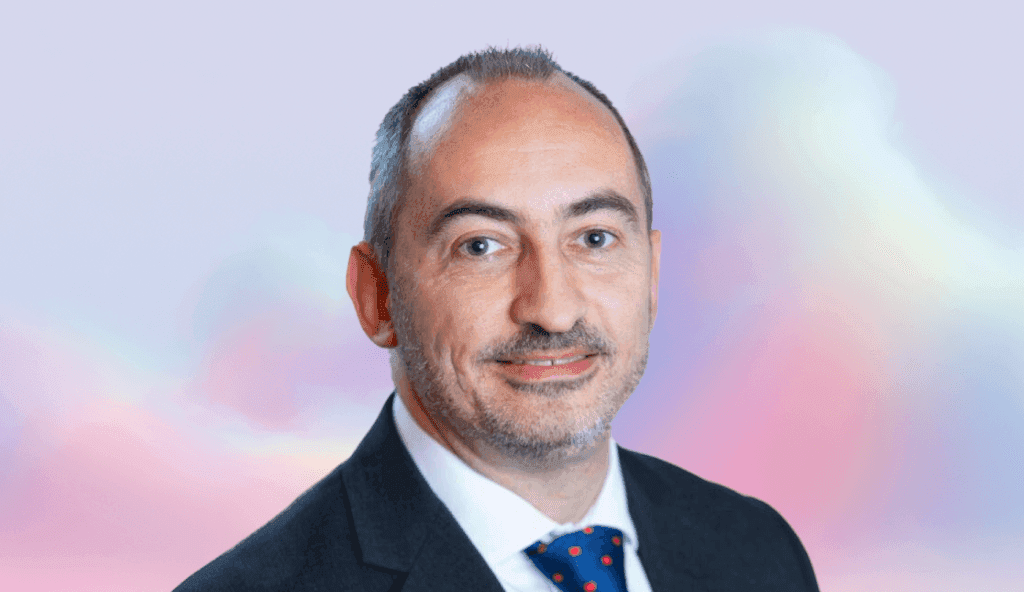
Kirsty is a hard-working, no-nonsense single mum running her own successful business. If you'd told her a few years ago that she would end up losing over £80,000 to a romance scam, she'd have looked at you like you were out of your mind.
But that's exactly what happened. And not because Kirsty was naive, or foolish—in fact, she is whip-smart, good at reading people, and a savvy, charismatic, and capable individual. If you knew her, Kirsty would be the last person you’d expect to fall foul of online scammers.
And that's precisely the point. Romance fraud doesn't discriminate. Those behind the scams aren't smarter or more sophisticated than the people they prey upon. They have simply learned a process that is refined, patient, and leverages our most natural human tendencies. They bide their time, mirror our behaviour, and slowly take down our defences until trust is built and walls have come down.
More than half of adults on the planet have experienced some form of online scam, with one in four becoming a victim. The scam industry costs consumers an estimated $119 billion every year in the United States alone. But the true cost is far higher than any financial figure can capture. The emotional impact of romance fraud can last for years—often much longer than the financial consequences.
This didn't start with dating apps
Romance fraud is not a product of the internet age. Con artists have been exploiting human connection for as long as connection has existed, whether through lonely hearts columns, pen pal cons, telephone fraud, or in-person interactions. The tactics that worked then still work now. What the internet has offered to scammers is scale, speed, and anonymity.
And online dating provides all three, making the perfect hunting ground for romance fraudsters.
Online dating transformed how we connect. Suddenly, we could meet hundreds of people from different communities, backgrounds, and locations. We were connecting with people we would never have crossed paths with in our pre-internet lives. That revolution in human connection was, and still is, genuinely remarkable, hugely valuable, and has changed the way we meet forever.
But it created an equivalent revolution in opportunity for bad actors. More potential matches meant more potential targets. As online dating scaled, so did romance fraud. By the time the industry began to realise the scale of the problem, the scammers were already there.
The Tinder Swindler effect
And just as quickly as scamming took hold, so did the media circus. The Tinder Swindler landed on Netflix in 2022 and became a global phenomenon, not just as entertainment, but as a moment that cemented a growing public anxiety. The media had found a new narrative to run with—online dating was now being presented as fertile ground for scam artists and romance fraud, and the opportunity to combine these with the intimate realities of people’s personal relationships made for easy, clickable headlines. The more shocking the story, the wider it ran. With more people—and their friends and family—encountering scams more frequently online, trust in dating platforms began to diminish. User numbers dipped. Reputations suffered.
And not unfairly. The industry had been slow to act, too focused on growth and engagement—and it showed. When rumours emerged that the real-life Tinder Swindler had resurfaced on the very apps he'd used to defraud women, it exposed glaring gaps in user authenticity and platform safety. It reinforced a damaging belief that the platforms either couldn't see the problem, or didn't care enough to solve it.
It’s not you, it’s us: The industry takes action
Of course, the reality was that the platforms both knew about the issue and deeply cared about fixing it. Knowing actions speak louder than words, they were keen to show real changes were being made.
Behind the scenes, the people building these platforms had already been mobilising. Scammers may have moved first, but their motivations were short-sighted and purely financial. For the platforms, the calculation was different. Their entire model depended on users feeling safe and finding genuine connection; and through this positive experience, they would attract new users—or welcome back existing ones if things in the real world ‘didn’t quite work out’. The business case for safety was as strong as the moral one.
What followed was a race to master the latest technology to their advantage first, and responsible platforms were determined not to lose it.
Take verification: a good example is Face Check, Tinder's mandatory liveness-based verification tool, which began rolling out in the UK in March 2026. New users are asked to record a short video selfie, completing prompts such as turning their head or changing expression. That footage is compared in real time against their profile photos using liveness detection and three-dimensional mapping, confirming the person is real, present, and consistent with the profile they've created. Unlike static photo verification, which can be easily exploited using stolen or AI-generated images, Face Check is built to defeat the tools scammers rely on most.
Or take the conversations themselves: Tinder's "Are You Sure?" tool uses AI to flag potentially abusive messages before they're sent, nudging senders to reconsider—an intervention the company says reduced inappropriate language by more than 10% in early testing. The platform intervenes nearly 100 times per minute in real time to encourage more respectful conversations, and uses in-app prompts to flag conversations showing the hallmarks of romance fraud, such as sudden financial requests, pressure to move off-platform, and escalating emotional intensity in early exchanges.
Online dating is getting safer, but the battle isn’t over
The progress is starting to show up in the numbers. The kind of result we at the ODDA point to is what robust verification can achieve: in the markets where Tinder has introduced its Face Check liveness check, the company reports that exposure to potential bad actors—bots, fake profiles, and scam accounts—has fallen by more than 60%, with user reports of those accounts down by more than 40%. They are one platform's figures, but they show what becomes possible when authenticity is built into the front door rather than bolted on afterwards.
That is the standard we want to see become ordinary. The ODDA's role is to make the best of these practices the benchmark rather than the exception—to set common standards on trust, safety, and verification, and to build the kind of cross-sector framework that lets innovation, intelligence, and best practice travel across the industry, from the largest platform to the smallest.
None of which means the work is done. Scam tactics will keep evolving, as will the technology fraudsters use. AI will keep lowering the barriers for those who mean to do harm—but it will also give the industry sharper tools to fight back.
And technology is only ever half the answer. User awareness remains a critical layer of protection, one the sector has to keep equipping people with. Knowing the warning signs, trusting your instincts, and reporting anything suspicious are habits that sit alongside technological safeguards, not beneath them. The strongest defence pairs the latest tech with a forewarned, confident user base.
The tide is turning. The dating sector is in a stronger position than it was five years ago. The task now is to make that progress permanent, keep the safeguards continuous, and ensure every platform is pulling in the same direction. So that the next Kirsty can swipe, match, and message without ever becoming a target in the first place.
Relevant articles
- spotlight
- Jul 7, 2026
Hello there, I’m Alex. I was a fraudster for most of my life. I pulled off schemes worth millions of pounds, and there are scams I’m even proud of—pi…

- spotlight
- Jul 20, 2026





What is Sumsub anyway?
Not everyone loves compliance—but we do. Sumsub helps businesses verify users, prevent fraud, and meet regulatory requirements anywhere in the world, without compromises. From neobanks to mobility apps, we make sure honest users get in, and bad actors stay out.
