- Jun 03, 2026
- 1 min read
UK Warns Crown Dependencies and Overseas Territories Over Ownership Secrecy
The UK government has warned it might legislate to require Crown Dependencies and Overseas Territories to enhance transparency in company ownership.

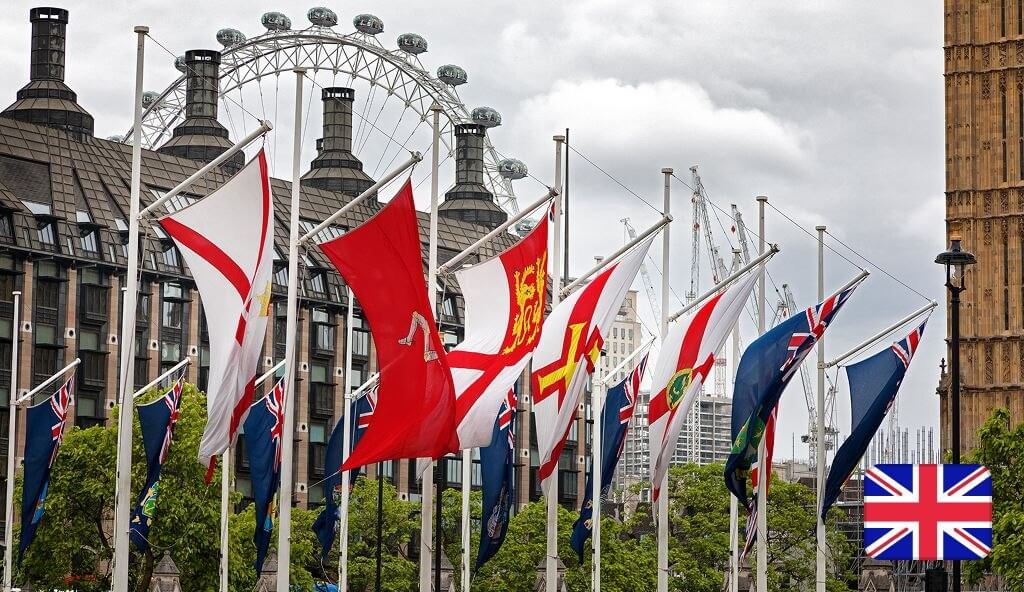
Photo credit: Jane Rix / Shutterstock.com
The UK government has warned it could legislate to force Crown Dependencies and Overseas Territories to improve transparency around company ownership if they fail to do so themselves.
The UK government has signaled growing frustration with the pace of reform, with justice minister Jake Richards saying progress had been “painfully slow” and anti-corruption champion Baroness Margaret Hodge noting that the UK was “coming to the end of the road” in trying to secure progress by agreement.
Richards added that these jurisdictions “have too often been used to facilitate aggressive tax avoidance, hide illicit gains and wash the proceeds of crime.”
British Crown Dependencies such as Jersey, Guernsey, and the Isle of Man, and Overseas Territories such as the British Virgin Islands, Cayman Islands, and Bermuda, are self-governing jurisdictions linked to the UK. Many have large financial sectors, with opaque company structures that can make them attractive for hiding illicit wealth, laundering money, or avoiding tax.
As reported by the Financial Times, Hodge and Richards are due to visit the Crown Dependency of Guernsey as part of a push to encourage the strengthening of beneficial ownership rules across jurisdictions linked to the UK.
All 14 UK Overseas Territories have pledged to introduce beneficial ownership registers, but only three have introduced public access registers and three have introduced legitimate access registers so far. Some UK-linked territories and dependencies have argued against fully public registers, pointing to privacy rights concerns.
Beneficial ownership records identify the real individuals who ultimately own or control a company. Criminals may use offshore shell companies and complex ownership chains to hide their identities, move illicit funds, and avoid due diligence, making transparency an important part of AML and KYB checks.
Relevant articles
- news
- 3 days ago
- 1 min read
Finland has stepped up enforcement against the promotion of illegal gambling, with conditional fines of up to €1.2 million.

- news
- 5 days ago
- 1 min read
Denmark has introduced a bill that would make it illegal to share realistic AI-generated imitations of people’s faces and voices without their consen…




What is Sumsub anyway?
Not everyone loves compliance—but we do. Sumsub helps businesses verify users, prevent fraud, and meet regulatory requirements anywhere in the world, without compromises. From neobanks to mobility apps, we make sure honest users get in, and bad actors stay out.
