- Aug 26, 2026
- 4 min read
New Zealand Moves to Ban Under-16s From Social Media
New Zealand's Online Safety Bill would bar under-16s from social media and fine platforms up to 10% of global revenue. Learn what it means for age assurance and compliance.


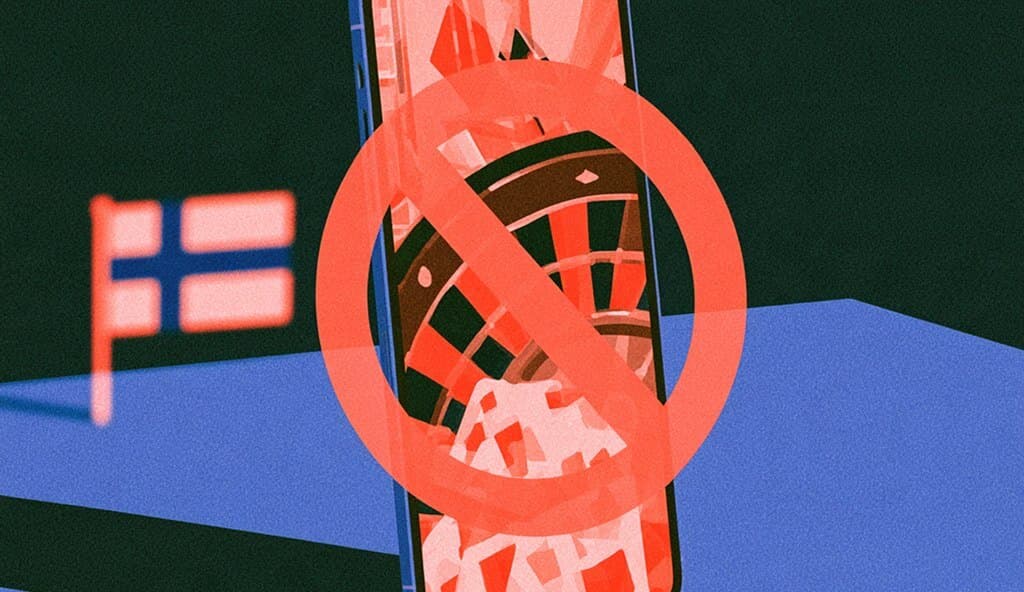
New Zealand's government has introduced a bill that would bar anyone under 16 from holding a social media account and expose platforms to fines of up to 10 percent of their worldwide revenue. Prime Minister Christopher Luxon announced the Online Safety Bill on August 24, 2026, putting New Zealand alongside Australia, Brazil, Indonesia and Malaysia in shifting age enforcement onto the companies rather than onto families.
What the Online Safety Bill would require
The bill covers platforms designated as high risk – a group that includes Instagram, TikTok, Snapchat and Facebook. Those services would have to take reasonable steps to establish that account holders are 16 or older. Messaging apps, gaming platforms such as Roblox, and general-purpose AI assistants sit outside the proposed regime.
Four verification routes are named: information already attached to an account, facial age estimation, digital identity services, and formal identity documents. The bill would also create an online safety regulator inside the Department of Internal Affairs, with powers to monitor platforms, audit their age assurance systems and investigate breaches.
Luxon put the case for the bill on volume of use. He said one in three New Zealanders aged 13 to 17 now spends five hours or more a day on social media, and argued that the resulting exposure to harmful content and addictive design is showing up in teenagers' sleep, schooling, mental health and family life. Waiting for the platforms to solve the problem themselves, he said, has not worked.
The liability sits with companies, not children
Education Minister Erica Stanford confirmed that no penalties are proposed for under-16s, parents or caregivers. The legal duty and the financial exposure fall entirely on covered providers.
That exposure is large by international standards. Australia's ban, in force since December 2025, caps penalties at AUD 49.5 million. New Zealand's revenue-linked maximum scales with the company's size, though officials have not yet clarified how the 10 percent would be calculated in practice.
Passage is far from certain
Both of National's coalition partners have said they will not back the bill: NZ First has pointed to problems with the Australian rollout, while ACT argues that teenagers will simply work around the restriction. Luxon has acknowledged the bill will not clear Parliament before the general election on November 7, and the House is scheduled to dissolve on October 1. Labor has indicated support at first reading, but the substantive decision now falls to whichever Parliament is seated after the vote.
An introduced bill is a statement of intent, not a settled law. It's a signal of where New Zealand policy is heading.
Where this fits globally
Australia legislated first; its under-16 ban took effect in December 2025. Brazil introduced rules in March 2026 that tie under-16 accounts to a parent's account and require age checks. Indonesia and Malaysia both moved during 2026. France's bill for a minimum age of 15 cleared the National Assembly at first reading in January and was narrowed in the Senate. The United Kingdom has age assurance duties under its existing online safety regime and is working toward an under-16 limit by early 2027. Portugal, Norway, Denmark, Poland and Turkey are each at different stages of the same process.
Four practical consequences for platforms
Age assurance becomes a documented compliance control. Platforms will need evidence that their method works, and a regulator with audit powers means that evidence must withstand inspection.
Privacy and age checking pull in opposite directions. Verifying age means collecting identity or biometric signals, which sits awkwardly against data minimization obligations. Any workable system will need to confirm a threshold without retaining the underlying documents.
Compliance is continuous. The bill pairs the minimum age with a standing duty to assess the risks a service poses to children and report on how those risks are being reduced. That turns child safety into a recurring reporting cycle.
Adults get caught in the net too. Separating under-16s from everyone else means every user has to be classified somehow. Most will be cleared by existing account signals, but the design question of what happens to the ones who are not is where the friction will land.
What to watch next
The November 7 election in New Zealand will decide the bill's future. For compliance teams, the more useful signal is the direction of travel across jurisdictions. Revenue-linked penalties, specified verification methods, and dedicated regulators are becoming the standard template.
Suggested read: Age Verification in 2026: Terms and Tradeoffs
Relevant articles
- news
- 1 week ago
- 1 min read
Singapore’s central bank has issued new guidelines requiring financial institutions to identify, assess, and manage risks from their AI use.


- news
- 5 days ago
- 1 min read



What is Sumsub anyway?
Not everyone loves compliance—but we do. Sumsub helps businesses verify users, prevent fraud, and meet regulatory requirements anywhere in the world, without compromises. From neobanks to mobility apps, we make sure honest users get in, and bad actors stay out.
