- Mar 03, 2026
- 1 min read
Deepfake Video of Bombay Stock Exchange Chief Executive Misleads Investors
A deepfake video impersonating Sundararaman Ramamurthy, the chief executive of the Bombay Stock Exchange, could have tricked many people into buying and selling stocks.


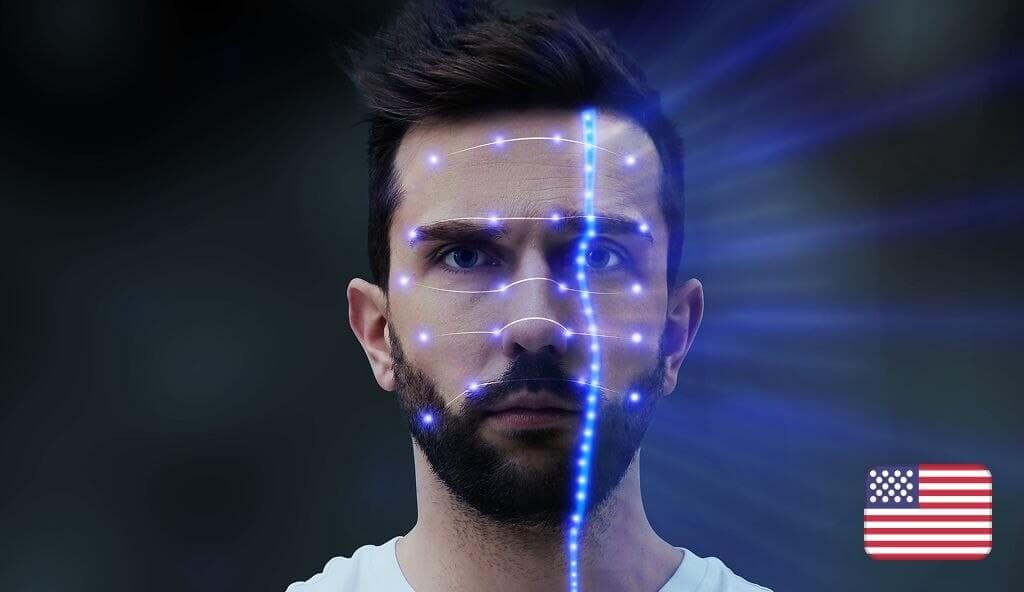
Photo credit: Whatafoto / Shutterstock.com
A deepfake video impersonating Sundararaman Ramamurthy, the chief executive of the Bombay Stock Exchange, could have tricked many people into buying and selling stocks, according to a BBC report on the growing threat of AI-driven fraud impersonating executives.
An AI-generated video of the chief executive was circulated on social media in India earlier this year, appearing to show Ramamurthy offering investment advice and promising high returns.
Ramamurthy told the BBC:
It was in the public domain where many people could see it, and get cheated into buying or selling stocks, as if I’d recommended them. When we see an incident like this, we immediately lodge a complaint. We go to Instagram and other places where it’s posted to get the video taken down. And we regularly write to the market warning people not to believe in fake videos.
It remains unclear how many people viewed the video or whether investors suffered losses, with Ramamurthy adding, “No one should incur a loss because they believe something that is untrue.”
The incident reflects a broader trend of increasing deepfake-enabled attacks globally. Karim Toubba, chief executive of password security firm LastPass, also told the BBC that deepfake usage has increased nearly 3,000% over the past two years. He was targeted himself in 2024 when an employee received a fraudulent WhatsApp message and audio clip impersonating him. The attempt failed after the employee flagged the unusual communication channel.
Wider access to AI tools is making it easier and cheaper for fraudsters all over the world to create potentially convincing deepfakes to use in sophisticated scams. As shown by Sumsub’s 2025-2026 Identity Fraud Report, deepfakes are used in 11% of all first-party fraud. Meanwhile, the Maldives saw a 2,100% year-on-year increase in deepfake attacks.
With deepfake scams on the rise, knowing how to stay ahead of deepfakes as they evolve in scale and complexity is essential for businesses and the general public.
Relevant articles



What is Sumsub anyway?
Not everyone loves compliance—but we do. Sumsub helps businesses verify users, prevent fraud, and meet regulatory requirements anywhere in the world, without compromises. From neobanks to mobility apps, we make sure honest users get in, and bad actors stay out.
