- Aug 03, 2026
- 1 min read
Argentina Adopts Blockchain Identity Checks for Organ Transplant System
Argentina’s national transplant authority has begun rolling out a blockchain-based identity and document verification system across the country’s organ, tissue, and cell transplant network.

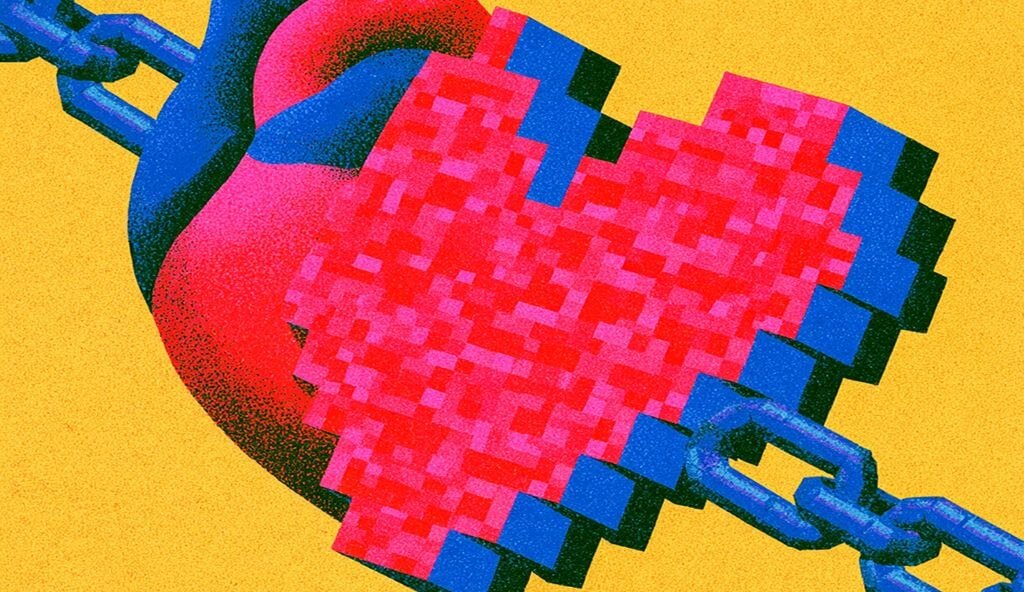
Argentina’s national transplant authority has begun rolling out a blockchain-based identity and document verification system across the country’s organ, tissue, and cell transplant network, Biometric Update reports.
The system gives the National Central Institute for the Coordination of Ablation and Implantation (INCUCAI) and Argentina’s 24 provincial transplant agencies verifiable digital identities registered on the IOTA Mainnet. Developed by decentralized identity company Extrimian, it uses IOTA Identity technology and standards developed by the World Wide Web Consortium to provide the information needed for quick, accurate, and trustworthy transplant authorization.
Authorized participants, including patients and healthcare professionals, can use the IncucaiID digital wallet to prove identity, receive verifiable credentials, and electronically sign documents. A hash is then recorded on the framework to provide evidence that the document has not been altered. Patient records and medical information are not stored on a public ledger.
The phased rollout follows INCUCAI Resolution 199/2026, which approved electronic signatures across the SINTRA transplant information system. Implementation began with heart and lung waiting-list registrations and will later expand to other lists and procedures.
These digital identities can provide a valuable audit trail to ensure traceability in transplantation, where hospitals and authorities need to coordinate time-sensitive decisions while protecting patient information. IOTA said the infrastructure became operational in June.
Relevant articles
- news
- 3 days ago
- 1 min read
Two Greek servicemen are among the alleged leaders of a cryptocurrency pyramid scheme that brought more than $8 million into a platform controlled by…


- news
- 1 week ago
- 1 min read
California Governor Gavin Newsom has signed legislation barring state and local public officers from issuing memecoins.

What is Sumsub anyway?
Not everyone loves compliance—but we do. Sumsub helps businesses verify users, prevent fraud, and meet regulatory requirements anywhere in the world, without compromises. From neobanks to mobility apps, we make sure honest users get in, and bad actors stay out.
