- Nov 17, 2026
- 1 min read
Optimizely Hack Spreads Crypto and Card Theft Malware Across Major Websites
Hackers injected malicious code into website scripts used by 178 organizations on November 16, exposing visitors to malware.

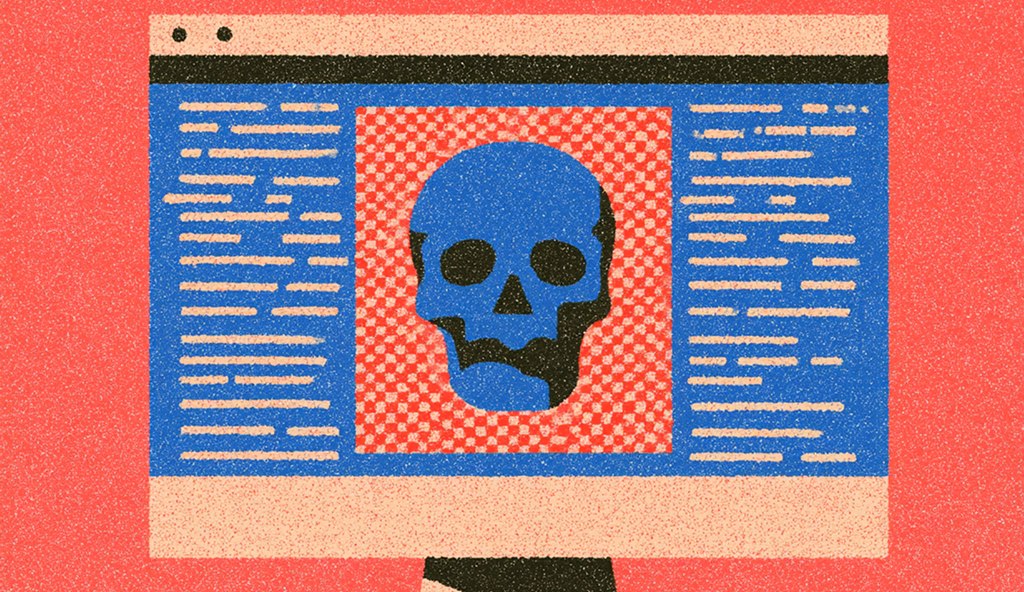
Hackers injected malicious code into website scripts used by 178 organizations on November 16, exposing visitors to malware programmed to steal cryptocurrency and card details, according to cybersecurity company Report URI.
Affected websites included Coinpass, the BBC, CNN, IKEA, Air France-KLM, Zoom, Ledger, and HSBC. The malware spread via website scripts, including those hosted by the optimization platform Optimizely.
Attackers modified customer projects so that scripts loaded by legitimate websites also delivered malicious code. Report URI found 188 infected scripts after examining 1,611 Optimizely snippets.
The malware tampered with payment destinations both on the page and during copying and pasting. A visitor could copy what appeared to be a recipient’s cryptocurrency address but paste one belonging to an attacker.
Analysis by StepSecurity found that the code also captured card numbers, expiry dates, and CVVs. Card details entered through a payment provider’s separately hosted fields were beyond its reach.
Optimizely said:
Optimizely identified a security incident in which an unauthorized party exploited a vulnerability in Experimentation and used it to add malicious JavaScript to some customer projects. We've fixed the vulnerability and removed the injected code from affected projects. We've also taken steps to secure affected user accounts and put additional protections in place to prevent unauthorized code from being delivered.
The extent of victim losses is unconfirmed.
Relevant articles
- news
- 2 weeks ago
- 1 min read
Cryptocurrency exchange Binance has reported an estimated $6.3 billion in stolen assets following a major security breach on October 29.

- news
- 6 days ago
- 1 min read
The ASEAN Foundation has launched a free digital learning platform to help people across Southeast Asia recognize and report online scams.

What is Sumsub anyway?
Not everyone loves compliance—but we do. Sumsub helps businesses verify users, prevent fraud, and meet regulatory requirements anywhere in the world, without compromises. From neobanks to mobility apps, we make sure honest users get in, and bad actors stay out.
