- Oct 26, 2026
- 1 min read
Vietnam Proposes Digital Identity Law to Combat Deepfakes and Online Fraud
Vietnam’s Ministry of Public Security has proposed legislation to combat online fraud involving deepfakes and falsified identities.

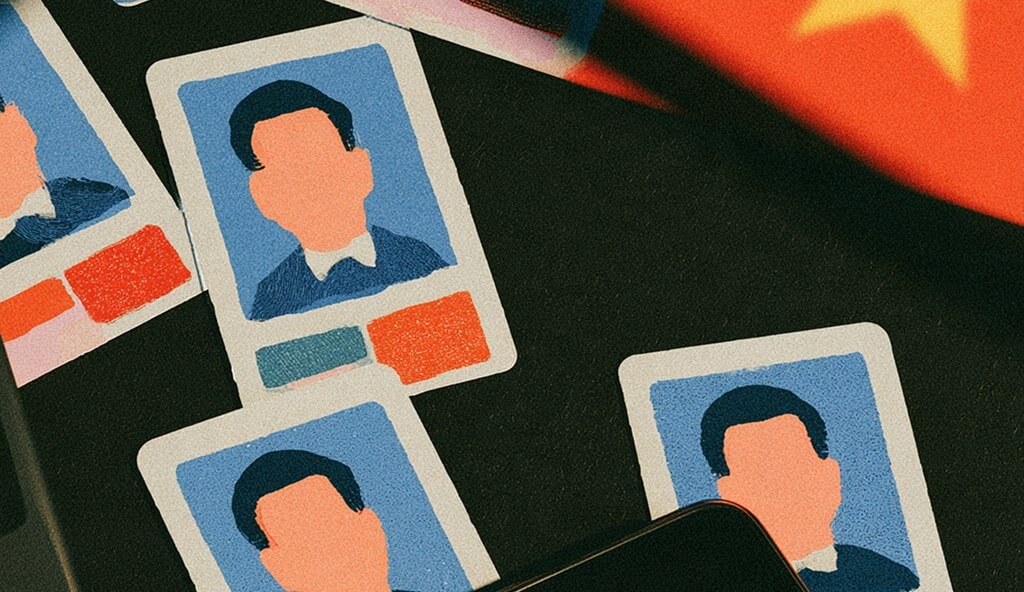
Vietnam’s Ministry of Public Security has proposed legislation to combat online fraud involving deepfakes and falsified identities by strengthening electronic identification and authentication requirements.
Public Security Minister Lương Tam Quang presented the draft Law on Electronic Identification and Authentication to the National Assembly on October 26. It would prohibit using fake biometrics, technologically fabricated images, and other deceptive technologies to create or falsify electronic identities. The proposal would also require records and audit trails throughout identification and authentication processes to support accountability.
Under the draft, electronic transactions on platforms serving banking, securities, telecommunications, postal services, e-commerce, and healthcare would have to be linked to, and authenticated against, participants’ electronic identities. Ministers would specify which transactions in other sectors must also undergo electronic identity verification.
Explaining the proposed identity checks, Vietnam’s administrative policing department cited increasingly complex problems involving false information and the sale or rental of bank accounts, electronic wallets, mobile subscriptions, and platform accounts. It said these practices make identifying users, tracing activity, and addressing violations difficult, particularly where cross-border services are involved.
The bill would also restrict data collection to information necessary for a lawful purpose and prohibit repeat collection of data already held in national or specialist databases. Service providers would be barred from processing identity data beyond their authorized services and the purposes disclosed to users.
Users would have rights to control the scope, recipients, and duration of identity information sharing, request corrections, and receive prompt notification if their data is compromised.
Relevant articles
- news
- 5 days ago
- 1 min read
State Bank of India has launched an investigation after thousands of customer records containing personal information were identified on the dark web.

- news
- 2 weeks ago
- 1 min read
Denmark has introduced a bill that would make it illegal to share realistic AI-generated imitations of people’s faces and voices without their consen…


What is Sumsub anyway?
Not everyone loves compliance—but we do. Sumsub helps businesses verify users, prevent fraud, and meet regulatory requirements anywhere in the world, without compromises. From neobanks to mobility apps, we make sure honest users get in, and bad actors stay out.
