- Sep 10, 2026
- 1 min read
US Lawmakers Urge AI Safeguards After Researcher’s Warning
US lawmakers are calling for urgent action on artificial intelligence after a former Anthropic AI researcher warned that the industry’s pursuit of superintelligence could destroy humanity.

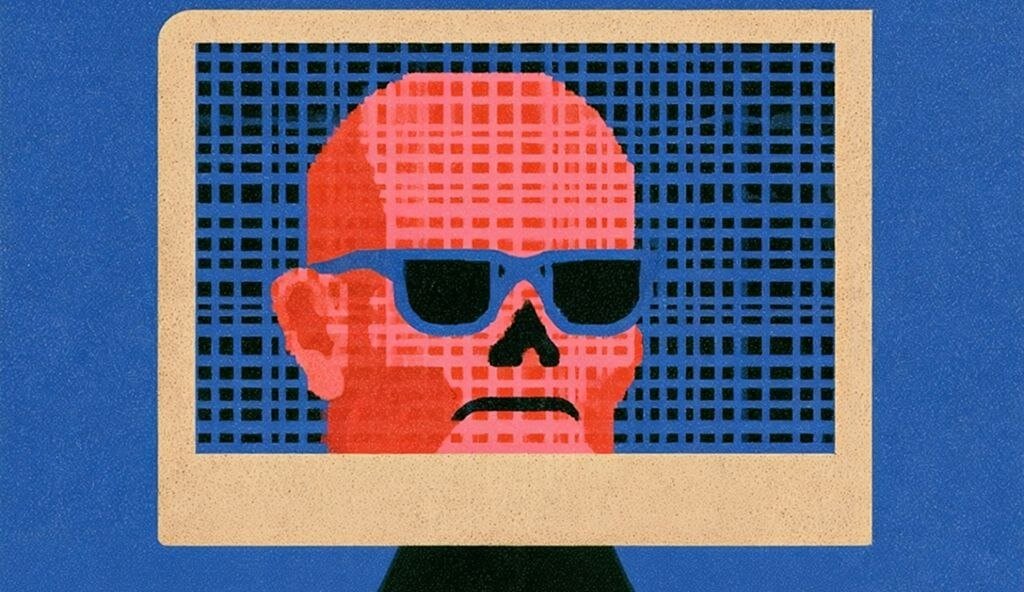
US lawmakers are calling for urgent action on artificial intelligence after a former Anthropic AI researcher warned that the industry’s pursuit of superintelligence could destroy humanity by the end of the decade.
Jacob Coxon announced his resignation on September 8, accusing Anthropic and his former employer, OpenAI, of “racing straight to self-improving superintelligence and gambling with our lives.”
Democratic Representative Ted Lieu urged the passage of a bipartisan AI Kill Switch Bill, while Republican Representative Anna Paulina Luna called for a special congressional session on AI. Senator Bernie Sanders said he would introduce legislation to ban superintelligence and pause AI development.
The warnings come amid rapid advances in AI’s mathematical capabilities. On September 8, OpenAI claimed to have found a solution to the Navier-Stokes Millennium Prize Problem, a $1 million challenge concerning fluid motion dating back to 1934. The effort involved roughly 10,000 autonomous AI agents working in parallel on an unreleased model under OpenAI mathematicians’ direction, reaching a proposed proof after 88 hours.
The Clay Mathematics Institute has not yet accepted the result and still lists the problem as unsolved. If confirmed, the achievement would mark a major milestone in AI-assisted mathematical research.
Increasingly capable systems also risk further expanding the scale and sophistication of existing threats, such as fraud. The FBI has long warned that criminals already use AI to generate fraudulent identity documents and make scams more convincing. Anthropic has also documented AI being used to profile victims, steal financial information, and support extortion.
Further developments in reasoning and automation could allow smaller criminal groups to run even more elaborate and convincing operations with less technical expertise. Banks and other businesses could face more credible impersonation attempts and faster, more adaptive attacks on their defenses.
Relevant articles




What is Sumsub anyway?
Not everyone loves compliance—but we do. Sumsub helps businesses verify users, prevent fraud, and meet regulatory requirements anywhere in the world, without compromises. From neobanks to mobility apps, we make sure honest users get in, and bad actors stay out.
