- Jun 18, 2026
- 1 min read
US Gaming Industry Seeks Prediction Market Ban in CLARITY Act
Gaming organizations and labor unions are urging the US Senate to amend the CLARITY Act to prohibit event contracts linked to sports and casino gaming.

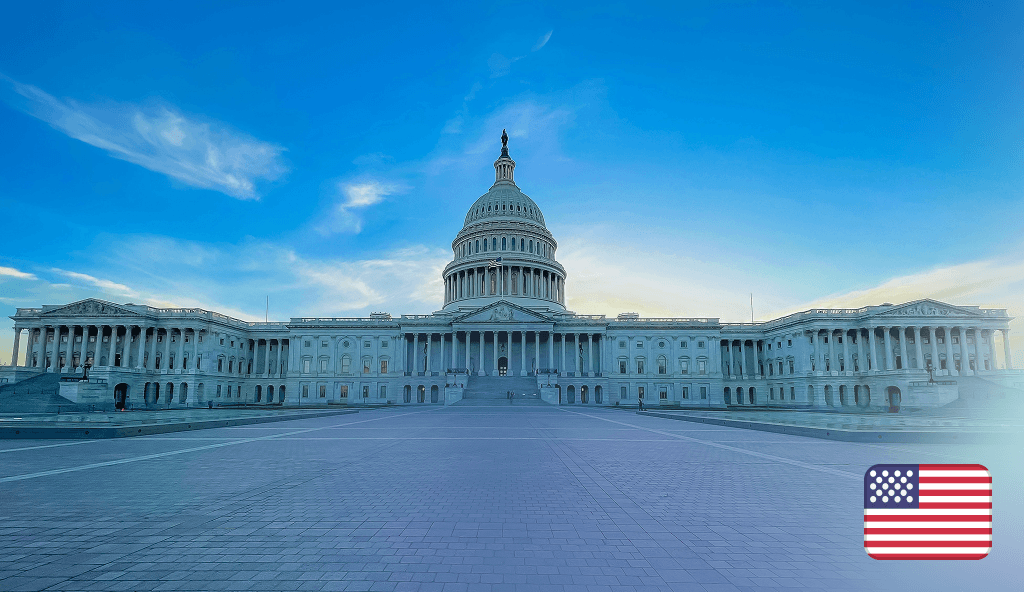
Photo credit: Wilmer Olano / Unsplash.com
Several gaming industry organizations and labor unions have called on the US Senate to amend the CLARITY Act to include a provision “that explicitly prohibits event contracts tied to sports and casino-style gaming”, according to the reports.
The coalition sent a letter to lawmakers on June 16 stating that prediction market platforms have effectively expanded gambling nationwide without going through state approval processes. The American Gaming Association, the Indian Gaming Association, state gaming bodies, and organizations representing casino workers are the signatories of the letter.
The groups asked Congress to clarify that sports betting should remain outside the CFTC's authority and should remain subject to state gaming laws and tribal regulatory frameworks. They argue that prediction market operators offer products that resemble sports wagering while avoiding the licensing, consumer protection, and compliance requirements that are typically imposed on traditional betting operators.
The dispute is focused on platforms such as Kalshi and Polymarket because they allow users to trade contracts with outcomes of sporting events.
The CFTC recently proposed rules that would formally permit certain sports-related event contracts. Since then, several states have made a move to restrict or ban prediction market activity, which has led to legal challenges over who has jurisdiction.
The request also adds a new dimension to the CLARITY Act, a bill primarily designed to establish a regulatory framework for digital assets in the United States. While the legislation focuses on crypto markets, gaming groups are seeking to use it to address what they view as a regulatory gap in prediction markets and sports wagering.
The Senate has not indicated whether it will incorporate the proposed language into the bill, despite the growing pressure from established gaming stakeholders as prediction markets continue to expand into areas traditionally regulated as gambling.
Relevant articles
- news
- 2 days ago
- 1 min read
California has passed a package of child-safety laws expanding age-assurance requirements for social media platforms and AI services.

- news
- 1 week ago
- 1 min read
Hunter Biden’s LAPTOP meme coin surged to a price of $190.81 shortly after launching on the Base network before crashing by almost 99% within hours.




What is Sumsub anyway?
Not everyone loves compliance—but we do. Sumsub helps businesses verify users, prevent fraud, and meet regulatory requirements anywhere in the world, without compromises. From neobanks to mobility apps, we make sure honest users get in, and bad actors stay out.
