- Feb 20, 2026
- 1 min read
Crypto Firms Face Licensing Deadline as California Plans DFAL Enforcement
California has officially set a deadline for many digital asset service providers to secure a license as it begins enforcing its state-level licensing regime under the DFAL.

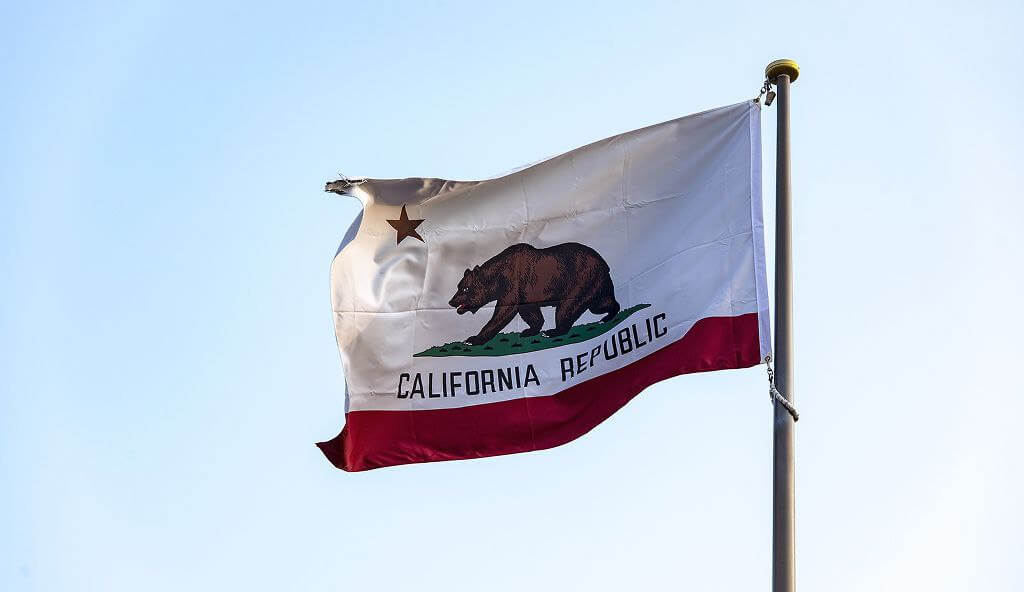
Photo credit: Savvapanf Photo / Shutterstock.com
California has officially set a deadline for many digital asset service providers to secure a license as it starts to enforce its state-level licensing regime under the Digital Financial Assets Law (DFAL). Affected firms that serve California residents must either secure a license, file a license application, or qualify for exemption by mid-2026.
State-level cryptocurrency licensing has precedence in the United States, with New York debuting its BitLicense framework over 10 years ago in 2015.
Under the DFAL, which Governor Gavin Newsom passed in October 2023, any business that facilitates digital financial asset activities for Californians must be licensed, have submitted an application, or qualify for an exemption to legally operate in the state by July 1, 2026. It also includes extra requirements for crypto ATMs.
California’s Department of Financial Protection & Innovation (DFPI) states:
Digital financial business activity includes activities such as exchanging, storing, or transferring a digital financial asset, such as a crypto asset. The new law promotes consumer and investor protection by creating a robust regulatory framework, including supervision and enforcement authority, for certain crypto activities.
License applications are due to open March 9, 2026 through the Nationwide Multistate Licensing System (NMLS). The DFPI has also scheduled an industry training session on March 23 to help companies navigate the new requirements.
DFAL’s framework is designed to enhance consumer protections and create a regulatory program in the state. If firms fail to meet licensing or application deadlines, they could face enforcement actions.
As the world’s fourth-largest economy and the home of approximately a quarter of US blockchain businesses, California’s rules could influence broader US cryptocompliance standards as businesses across the country change their rules to adapt to the large Californian market.
Relevant articles
- news
- 2 weeks ago
- 1 min read
The United States Senate has passed legislation prohibiting the Federal Reserve from issuing a central bank digital currency (CBDC).
- news
- 1 week ago
- 1 min read



What is Sumsub anyway?
Not everyone loves compliance—but we do. Sumsub helps businesses verify users, prevent fraud, and meet regulatory requirements anywhere in the world, without compromises. From neobanks to mobility apps, we make sure honest users get in, and bad actors stay out.
