- Dec 09, 2025
- 1 min read
ASEAN Planning Regionwide Digital Business ID to Streamline Cross-Border Trade
ASEAN is preparing to implement a Unique Business Identification Number (UBIN) to simplify cross-border digital trade across Southeast Asia.

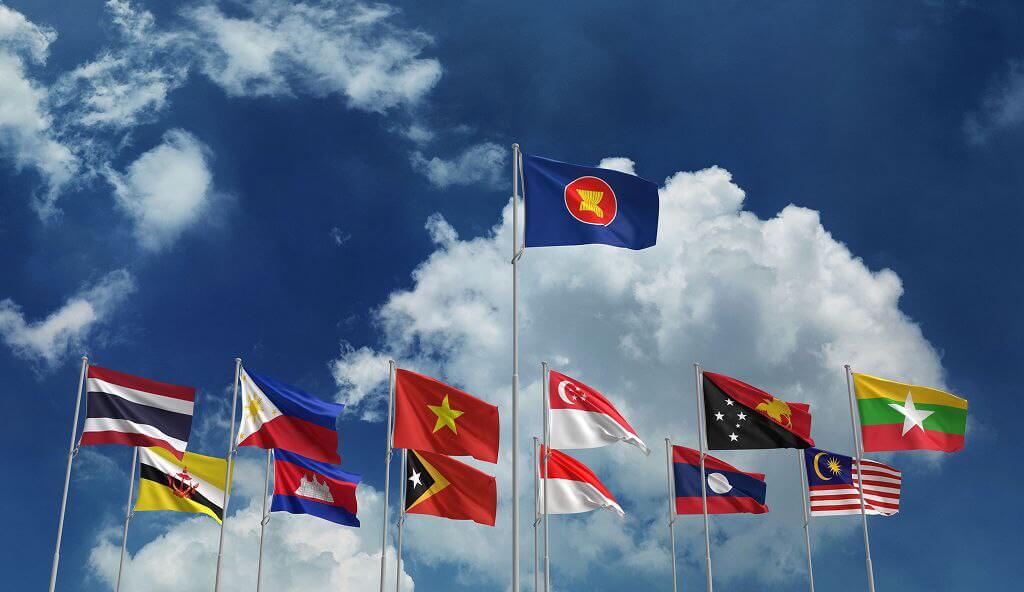
Photo credit: StreetOnCamara_Comeback / Shutterstock.com
The Association of Southeast Asian Nations (ASEAN) is preparing to implement a Unique Business Identification Number (UBIN) to simplify cross-border digital trade across Southeast Asia.
ASEAN Secretary-General Dr Kao Kim Hourn said of the planned ASEAN-wide digital business identity system:
Digital interconnectedness has become a vital economic and social infrastructure. The UBIN initiative reflects this vision, addressing longstanding barriers to cross-border trade and fostering trust among businesses to thrive in a seamlessly connected and competitive global economy.
The initiative will allow companies registered in any of the 11 ASEAN member states to be recognized and verified in real time across the bloc, reducing administrative friction and boosting trust among trading partners.
The planned digital business ID follows the ASEAN Digital Economy Framework Agreement (DEFA) mandate, adopted in 2023. A formal implementation timeline does not appear to have been made public.
Director of the Market Integration Directorate at the ASEAN Secretariat, Dr Le Quang Lan, writes that the new digital ID will especially benefit micro, small, and medium enterprises. These account for approximately 45% of ASEAN’s GDP, but only around 18% are currently exporting, in part due to complex customs, regulatory hurdles, or a lack of trust between overseas partners. ASEAN hopes UBIN could change this by streamlining compliance processes.
Analysis by the Boston Consulting Group estimates that full UBIN implementation could generate between US$110 billion and US$300 billion in economic value, representing up to 25% of DEFA’s projected contribution to ASEAN’s digital economy.
With ASEAN likely to become the world’s fourth-largest economy by 2030, a unified digital business identity could simplify commerce for the region’s 600 million people.
Relevant articles




What is Sumsub anyway?
Not everyone loves compliance—but we do. Sumsub helps businesses verify users, prevent fraud, and meet regulatory requirements anywhere in the world, without compromises. From neobanks to mobility apps, we make sure honest users get in, and bad actors stay out.
