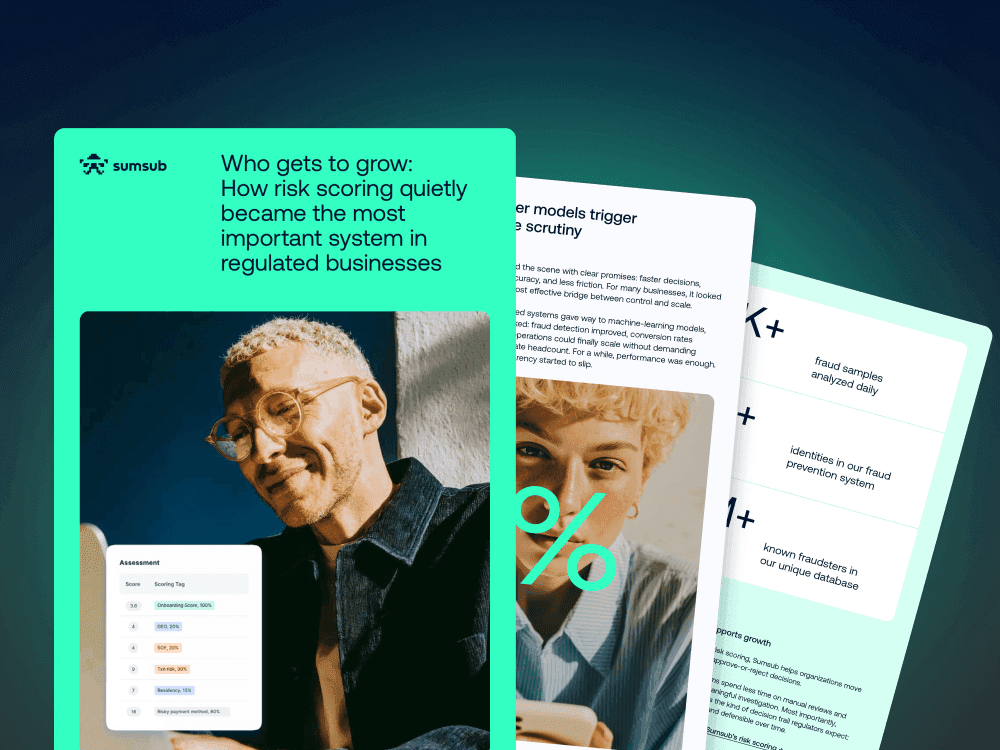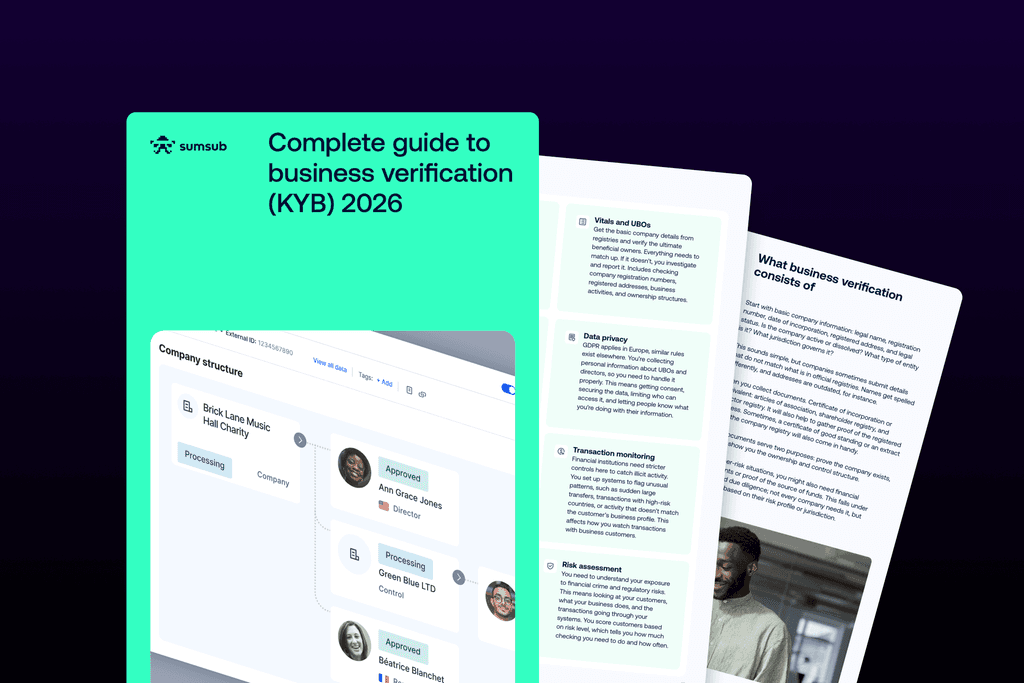
Last year, sophisticated fraud attacks rose 180% as scammers’ tactics evolved, forming organized networks and adopting synthetic identities to amplify the damage. Fraud in 2026 is a connected lifecycle across the user journey, from trust-building and onboarding to payments, payouts, and cash-out.
When the signals are subtle, choosing the right response can feel uncertain: move too slowly and losses grow; overcorrect, and you add friction for good users.
In this guide, you’ll step into the role of Fraud Prevention Lead at a fictional enterprise, responding to fraud scenarios across the entire fraud lifecycle that risk the business’s reputation and revenue. The decisions are in your hands to decide the best course of action to keep the company safe.
What’s inside:
- Real-world scenarios: from the usual suspects (chargebacks, payment fraud) to emerging threats like AI agents
- Red flags to watch: the signals that reveal what you’re actually dealing with
- Actionable timelines: what to do now, what to implement next, and what to build long term
- What’s at stake: business impact and the consequences of getting it wrong
- Defenses you can apply: checklists and practical controls to improve readiness
We close with a 2026 fraud forecast so you can plan ahead, rather than react.
Download the guide now.