
Know Your Player
iGaming Fraud & Compliance Day 2026
Join Sumsub's annual online event for iGaming operators. Get straight answers from compliance, fraud, and AI experts on what's coming for the industry over the next few years, and how to prepare before it lands.
the event
Three sessions, 90 minutes, one clear picture of where iGaming compliance is heading. Find out the regulatory changes platforms and operators need to prepare for, the fraud schemes turning into compliance breaches, and where AI is truly pulling its weight in KYC, AML, and fraud prevention.

Moderator
Kris GallowayHead of iGaming Product at Sumsub
Session 1 · 25 min
Session 1 · 25 min
Compliance 2.0: What every licensed
iGaming operator needs to prepare
for in the next 3 years
The line between must-have and nice-to-have compliance is no longer simple. This session maps the changes coming over the next three years, what regulators will expect from operators, and where compliance teams should put their money first to stay competitive.
Speaker
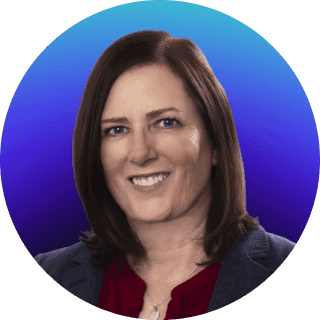
Becky HarrisDistinguished Fellow, Gaming & Leadership

Speaker
Dr. Ekaterina HartmannDirector of Legal and Regulatory Affairs, EGBA

Speaker
Richard WilliamsPartner, Keystone Law
Session 2 · 30 min
Session 2 · 30 min
Next-gen fraud schemes in iGaming
Fraud in iGaming has moved well past stolen cards and simple multi-accounting. This session breaks down the schemes hitting operators right now, from deepfake KYC and synthetic identities to collusive laundering and crypto-fueled anonymity, and shows how each one can quietly become a regulatory breach (fines included) before anyone notices.

Speaker
Angelina ŠkrabecAML Governance & Training Manager, evoke

Speaker
Alexandru MaglanHead of Fraud Prevention, Momentum

Speaker
Michail VamvakarisHead of Data Science and MLOps, evoke
Session 3 · 30 min
Session 3 · 30 min
AI is reshaping iGaming. Are we ready?
AI promises a lot in iGaming and delivers on some of it. This session sorts the two, looking at where AI already earns its keep in KYC, AML, fraud prevention, and player risk scoring, how to cut manual reviews without adding compliance risk, and how to govern models so regulators trust the output.
Speaker
Michail VamvakarisHead of Data Science and MLOps, evoke

Speaker
David Del BiancoMLRO, SuprNation

Speaker
Justin DeavilleManaging Director, Receptional