2026 Identity Fraud Report: Key Stats and Insights
Identity Fraud Report
2026-2027
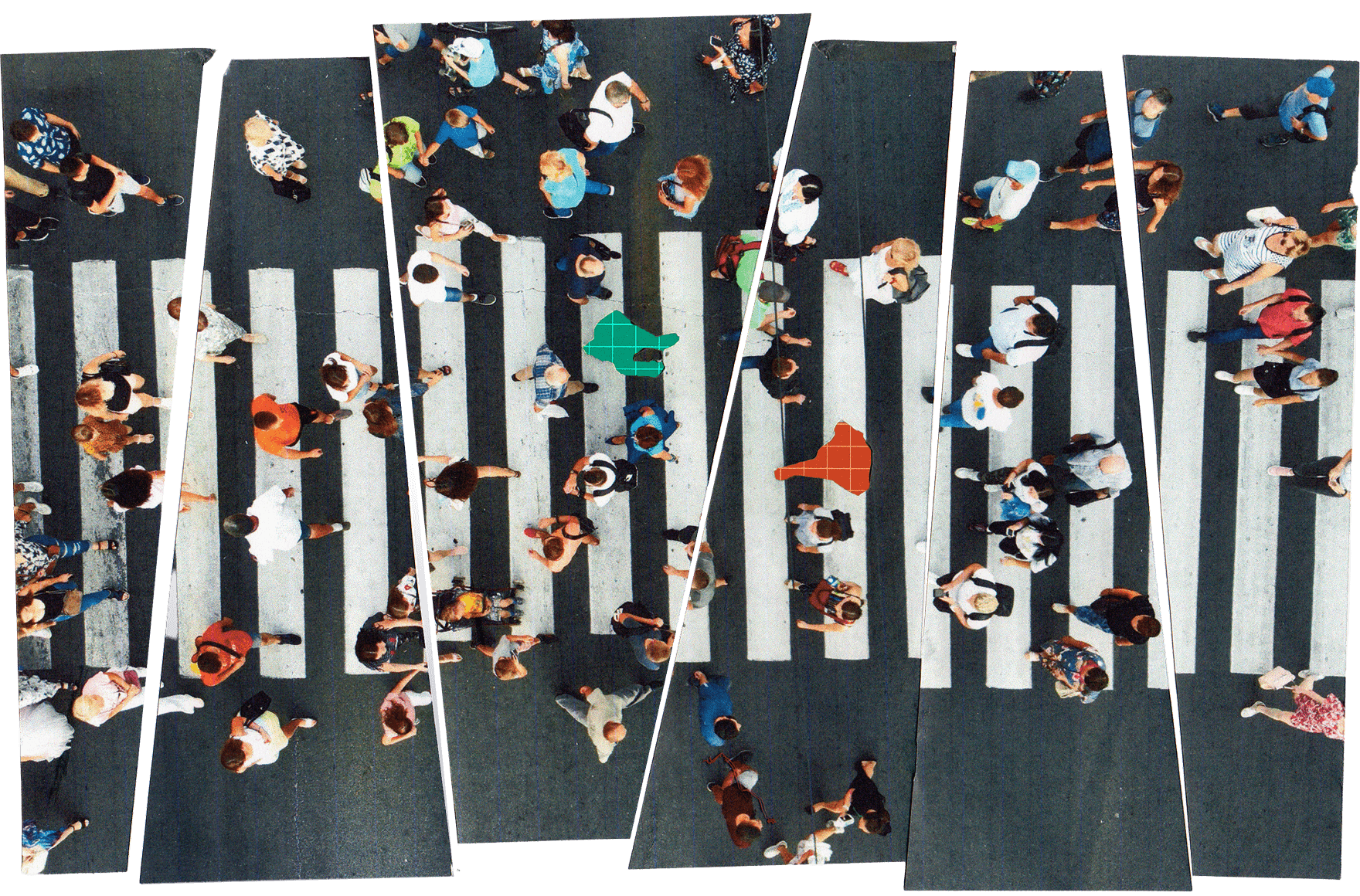
The new era
of humanity
For years, identity verification focused on one question: is this person who they claim to be? Now businesses face two more: is there a real person behind the interaction, and when software acts on someone’s behalf, who authorized it?
Fraud rates have fallen for the second year running, but the fraud that remains is getting harder to catch, so we’ve introduced the Fraud Complexity Index to measure the shift. AI agents are opening a new gap too: only 37% of businesses verify who authorizes an agent, and among those hit by agent-related fraud, 49% saw a legitimate agent manipulated by malicious instructions.
So how do businesses prove there’s a real person behind every interaction? Where is fraud rising fastest, and who is behind it? And how do we regain human control amid this new era of humanity?
Find the answers in our latest report, built on real-world data, expert commentary, and regional analysis.
Based on 5.8 million fraud samples from the Sumsub platform and a survey of 1,400+ fraud and risk professionals and 1,500+ consumers.
A new era,
four lenses
Proof of humanity
Can we establish that a person is real?
Fraud trends since 2021, including deepfakes, digitally edited IDs, suspected AI-generated documents, the new Fraud Complexity Index, and shifts across ten industries.
Sense of humanity
Who is behind the fraud?
Behind every fraudulent account is a much bigger story. We reveal how individual accounts form organized fraud networks and explore the human side of the scam economy with Erin West, founder of Operation Shamrock.
Map of humanity
Where is fraud changing fastest?
Six regional chapters that cover fraud rates, deepfake growth, fraud networks, and survey findings from businesses and consumers.
Human in control
How do businesses regain control?
Know Your Agent, age verification, non-doc verification, workforce verification, and the regulation reshaping identity checks.
The key findings
These numbers set the scene, and the full report explains what’s driving them and how businesses can respond.
Japan
+219%
Growth in Japan’s fraud rate, the largest of any market analyzed
AI agent awareness
37%
of businesses verify who authorizes their AI agents

Algeria
+1,205%
Deepfake growth in Algeria, the fastest of any market analyzed

Transportation
+91%
increase in the transportation fraud rate, the largest of any industry analyzed

India
2%
of suspected AI-generated documents came from India, the largest share of any country

USA
3,173
linked users in the largest fraud network detected in a single country, in the U.S.
ID cards
73%
of document fraud involved ID cards, the most targeted document type
AI agent fraud
49%
Businesses hit by AI-agent fraud where a legitimate agent was manipulated


The global identity fraud rate fell to 1.6% in 2026, down from 2.2% in 2025 and its 2.6% peak in 2024. It is the second consecutive year of decline.
Fraud exposure remains highly uneven. Asia-Pacific has the highest regional fraud rate at 2.5%, while the U.S. and Canada have the lowest. Rates also vary sharply between countries and industries, making local context increasingly important.
Yes. The Fraud Complexity Index (FCI), which measures the technical complexity of confirmed fraud, rose from 2.1 to 2.2 even as the overall fraud rate fell. Deepfake fraud grew 31% YoY, while digitally edited IDs now account for 17% of confirmed fraud, up from 5% in 2024. Fewer attempts do not necessarily mean easier attacks.
The defining shift is a new question for digital trust: is there a real person behind the identity or action? Deepfakes and synthetic content are challenging proof of humanity, organized fraud is connecting identities, devices, and accounts into wider networks, and AI agents are creating a new need to establish who authorized them and what they are allowed to do.
Yes. 53% of businesses surveyed detected or suspected AI-agent-related fraud, yet only 37% verify who authorizes an agent and just 12% can suspend one. As agents gain access to systems, data, and payments, businesses need clear human attribution, scoped permissions, ongoing monitoring, and the ability to revoke access.
The full source list can be found here.